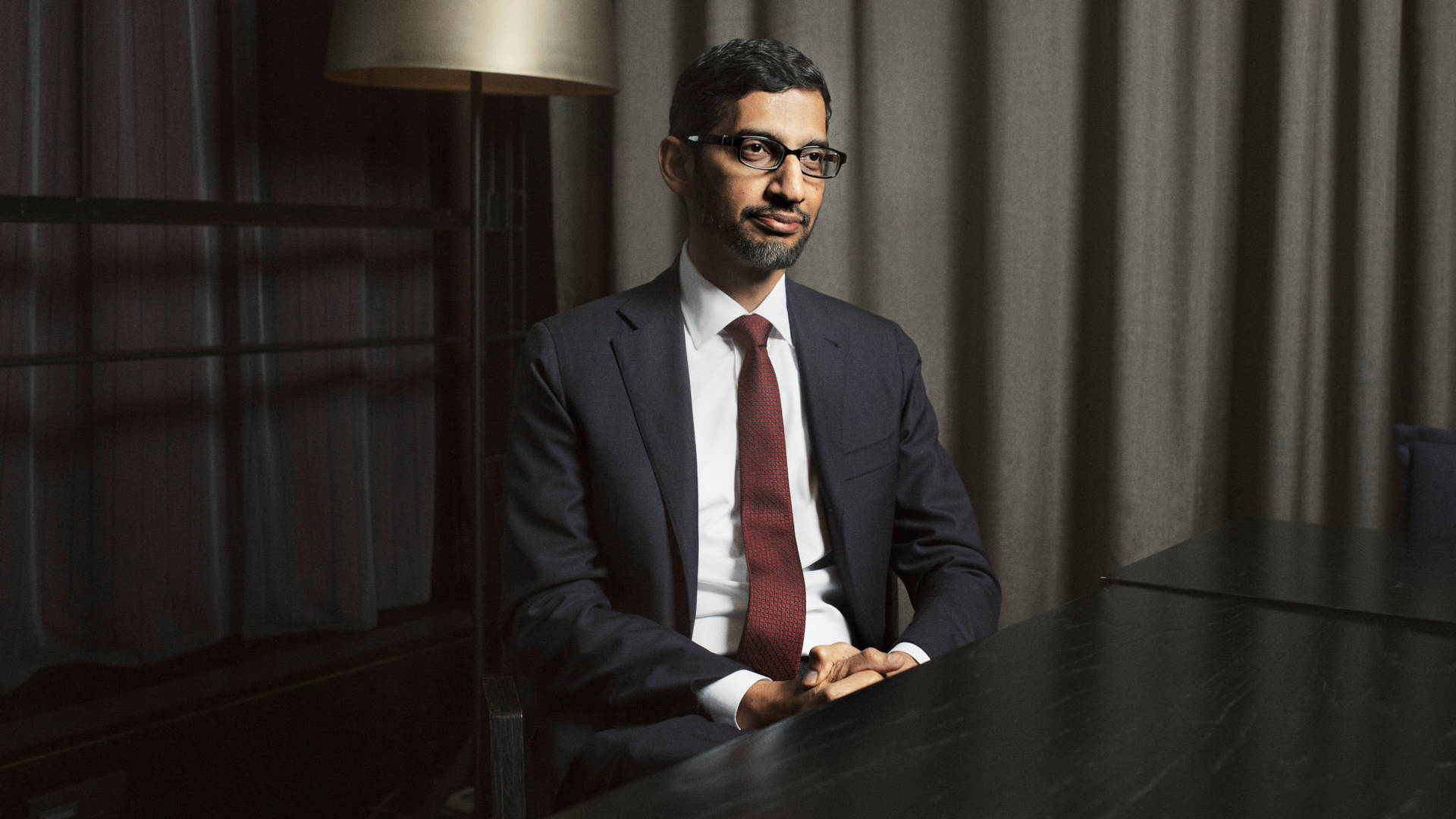
Leadership in the modern technology industry is no longer defined only by technical expertise or business success. It is increasingly measured by the ability to inspire innovation, guide diverse teams, make responsible decisions, and create products that improve people’s lives. Few leaders represent these qualities as effectively as Sundar Pichai, whose journey from a middle-class upbringing in India to leading one of the world’s most influential technology companies has become an inspiration for millions.
As the CEO of Google and its parent company, Alphabet Inc., Pichai oversees products and services used by billions of people every day. His leadership has helped shape advancements in artificial intelligence, cloud computing, mobile technology, digital productivity, and internet services. Yet, what truly distinguishes him is not just the scale of his achievements but the principles that guide his decisions.
Unlike many corporate leaders known for aggressive management styles, Sundar Pichai has built a reputation based on humility, thoughtful decision-making, collaboration, and long-term vision. His success proves that true leadership is not about commanding authority but about empowering people to achieve extraordinary results together.
This article explores the leadership principles that have made Sundar Pichai a global technology icon and explains why his approach continues to inspire business professionals, entrepreneurs, students, and future leaders around the world.
Leadership Begins with Humility
One of the most defining characteristics of Sundar Pichai is his humility. Despite leading one of the largest technology companies in history, he remains approachable, calm, and respectful in his interactions with employees, partners, and the public.
Growing up in a modest household taught him the value of appreciating opportunities rather than taking them for granted. Those early experiences shaped a leadership style based on listening instead of dominating conversations. Rather than seeking personal recognition, he consistently focuses on team achievements and organizational success.
Humility allows leaders to remain open to learning, accept feedback, and build stronger relationships with their teams. This principle has earned Pichai widespread respect across the technology industry and demonstrates that confidence does not require arrogance.
Continuous Learning Creates Better Leaders
Sundar Pichai has always believed that learning never ends. His educational journey—from the Indian Institute of Technology Kharagpur to Stanford University and later The Wharton School—reflects his commitment to expanding his knowledge and skills.
Even after entering the corporate world, he continued learning from colleagues, engineers, customers, and industry trends. Instead of assuming he already had all the answers, he remained curious about emerging technologies and changing consumer needs.
The willingness to keep learning enables leaders to adapt, innovate, and stay relevant in rapidly changing industries. Pichai’s career illustrates that education is not limited to classrooms but continues throughout professional life.
Listening Is One of the Most Powerful Leadership Skills
Many executives are recognized for their public speaking abilities, but Sundar Pichai is equally admired for his ability to listen carefully before making decisions.
Employees who have worked with him often describe him as someone who encourages open discussions and values different viewpoints. He understands that innovation grows when people feel comfortable sharing ideas without fear of criticism.
By listening actively, Pichai gains a deeper understanding of challenges, customer expectations, and employee concerns. This thoughtful approach helps create well-informed decisions that benefit both the organization and its users.
Great leaders do not simply speak more than others—they understand more because they listen first.
Innovation Should Solve Real Problems
One of Pichai’s strongest leadership principles is that technology should make everyday life simpler and more useful. During his career, he has consistently focused on creating products that solve practical challenges rather than pursuing innovation for its own sake.
His leadership in developing Google Chrome is an excellent example. At a time when many questioned the need for another web browser, Pichai recognized the importance of speed, security, and simplicity for internet users. Chrome eventually became the world’s most widely used browser because it addressed genuine user needs.
Successful innovation begins by understanding people rather than focusing only on technology. This user-centered philosophy continues to guide Google’s product development today.
Building Strong Teams Creates Long-Term Success
No global company succeeds because of one individual alone. Sundar Pichai understands that extraordinary results come from talented teams working toward shared goals.
Instead of promoting unnecessary competition among employees, he encourages collaboration across departments. Engineers, designers, researchers, marketers, and product managers work together to develop solutions that improve user experiences worldwide.
His leadership style emphasizes trust, open communication, and mutual respect. Employees are encouraged to experiment, share ideas, and learn from failures rather than fear making mistakes.
Strong organizations are built by leaders who develop people, not by leaders who seek all the credit themselves.
Remaining Calm During Difficult Situations
Technology companies frequently face unexpected challenges, including changing markets, cybersecurity threats, regulatory scrutiny, economic uncertainty, and rapid technological disruption.
Throughout these situations, Sundar Pichai has earned a reputation for remaining composed under pressure. Rather than reacting emotionally, he focuses on gathering facts, consulting experts, and evaluating long-term consequences before making important decisions.
This calm leadership style helps maintain confidence throughout the organization during uncertain periods.
Leaders who remain steady during challenges provide stability that inspires confidence throughout their teams.
Long-Term Vision Is More Valuable Than Short-Term Success
Many businesses become overly focused on quarterly performance, immediate profits, or short-term recognition. Pichai consistently emphasizes thinking beyond immediate results.
Google’s investments in artificial intelligence, cloud computing, quantum computing, sustainability, and advanced research demonstrate this long-term perspective. These initiatives often require years of development before producing meaningful commercial outcomes.
By supporting strategic investments, Pichai helps ensure that Google remains competitive while preparing for future technological advancements.
Sustainable success is achieved by building for tomorrow instead of focusing only on today’s results.
Technology Should Be Responsible and Ethical
As artificial intelligence becomes increasingly influential, technology companies face growing responsibility for ensuring safe and ethical innovation.
Under Sundar Pichai’s leadership, Google has repeatedly emphasized responsible AI development, privacy protection, cybersecurity, and digital safety. Although complex challenges remain across the technology industry, Pichai has consistently acknowledged the importance of balancing innovation with responsibility.
He has often stated that technological progress should benefit society while minimizing potential risks.
Responsible leadership recognizes that innovation must serve humanity rather than simply advancing technology.
Adaptability Is Essential in the Digital Age
The technology industry evolves faster than almost any other sector. New competitors emerge quickly, consumer expectations change constantly, and innovations rapidly reshape markets.
Sundar Pichai has demonstrated exceptional adaptability throughout his career. Beginning as a product manager, he gradually took responsibility for Chrome, ChromeOS, Gmail, Google Drive, Android, Google Workspace, and eventually Google’s entire global business.
Each new role required different leadership skills, technical understanding, and strategic thinking.
Adaptability enables leaders to remain effective even as industries undergo continuous transformation.
Leading with Trust Instead of Fear
Some organizations rely on strict control and fear-based management to achieve results. Sundar Pichai represents a very different philosophy.
His leadership encourages employees to contribute ideas, question assumptions, and pursue innovation without constant fear of failure. This culture of trust promotes creativity while helping attract some of the world’s most talented professionals.
Trust also strengthens relationships with customers, investors, and business partners because consistent transparency builds long-term credibility.
Organizations achieve sustainable growth when trust becomes part of their culture rather than simply a management strategy.
Global Thinking with Local Understanding
Google serves billions of users across countries, cultures, and languages. Leading such a diverse organization requires understanding that different regions have unique needs and expectations.
Pichai’s international background gives him valuable insight into how technology can improve accessibility for people from different economic and cultural environments.
His leadership has supported initiatives that make digital services more affordable, inclusive, and useful for emerging markets while continuing to innovate for developed economies.
Global leaders succeed by respecting local perspectives while pursuing universal innovation.
Never Stop Improving
One of Sundar Pichai’s most important leadership principles is that improvement should never end. Whether developing products, strengthening teams, or refining business strategies, he encourages continuous progress.
Even Google’s most successful products undergo regular updates based on user feedback, technological advancements, and changing expectations. This mindset reflects Pichai’s belief that excellence requires ongoing effort rather than one-time achievements.
The pursuit of continuous improvement allows organizations to remain competitive for decades rather than years.
Leadership Lessons from Sundar Pichai’s Success
The leadership journey of Sundar Pichai offers valuable lessons that extend beyond the technology industry. His career demonstrates that exceptional leadership is built through character, discipline, curiosity, and consistent decision-making rather than personal ambition alone.
His example reminds professionals that listening carefully often produces better solutions than speaking first. It shows that innovation becomes meaningful when it addresses real human problems. It also proves that calm decision-making creates stability during uncertainty and that humility can strengthen rather than weaken leadership.
True leadership is measured not by titles or authority but by the positive impact a leader creates for employees, customers, and society. These principles have enabled Sundar Pichai to guide one of the world’s most influential technology companies while earning admiration for his integrity, professionalism, and vision.
Conclusion
Sundar Pichai’s rise from a modest background to becoming one of the most respected leaders in global technology is a story of perseverance, education, and thoughtful leadership. His achievements are not solely the result of technical expertise but of leadership principles that prioritize humility, collaboration, innovation, continuous learning, responsibility, and long-term thinking.
In an era where technology influences nearly every aspect of daily life, leaders are expected to do far more than manage businesses. They must build trust, encourage innovation, navigate complex challenges, and create lasting value for society. Sundar Pichai has consistently demonstrated these qualities throughout his career.
His journey proves that great leadership is not defined by power or prestige but by the ability to inspire others, embrace change, and make decisions that create meaningful progress for the world. For aspiring entrepreneurs, business executives, students, and professionals, the leadership principles that have guided Sundar Pichai offer timeless lessons that remain relevant in every industry and every generation.
Leave a Reply