Category: Lists

  • The World’s Most Influential CMOs: Global Marketing Leaders Shaping the Future

    The World’s Most Influential CMOs: Global Marketing Leaders Shaping the Future

    Introduction: The Global Power of Influential CMOs

    In today’s hyper-connected and rapidly evolving global economy, the role of the Chief Marketing Officer (CMO) has become more influential than ever before. No longer limited to overseeing advertising campaigns, CMOs are now strategic visionaries who drive brand growth, customer engagement, and business transformation on a global scale.

    The world’s most influential CMOs are redefining marketing by combining creativity, data, and technology to deliver powerful and measurable results. These leaders are responsible for shaping how brands interact with billions of consumers across diverse cultures, markets, and platforms. From multinational corporations to disruptive startups, CMOs are at the forefront of innovation, crafting strategies that resonate globally while maintaining local relevance.

    Their influence extends beyond marketing, impacting product innovation, customer experience, and long-term business success. As competition intensifies and consumer expectations rise, the importance of visionary marketing leadership continues to grow, making CMOs key architects of the modern business landscape.

    The Evolution of the CMO Role Worldwide

    The role of the CMO has undergone a dramatic transformation over the past two decades, evolving from a traditional marketing function to a central leadership position within organizations. In the past, CMOs primarily focused on brand awareness, advertising, and public relations. However, in today’s digital-first world, they are expected to drive revenue, manage customer relationships, and lead digital transformation initiatives. Influential thinkers like Philip Kotler have long emphasized the importance of customer-centric marketing, a principle that has become even more critical in the modern era.

    Today’s CMOs are not just storytellers—they are data-driven strategists who play a crucial role in shaping business outcomes. The rise of digital technologies, social media, and e-commerce has fundamentally changed how brands connect with consumers, requiring CMOs to adapt and innovate continuously. The ability to integrate creativity with analytics is now a defining characteristic of successful global CMOs. Those who have embraced this evolution have emerged as influential leaders, setting new standards for marketing excellence worldwide.

    Key Characteristics of the World’s Most Influential CMOs

    The world’s most influential CMOs share a unique set of characteristics that enable them to excel in a highly competitive and dynamic environment. One of the most important traits is visionary leadership, which allows them to anticipate market trends and develop strategies that position their brands for long-term success. Marketing pioneers like Seth Godin highlight the importance of storytelling and innovation in building strong brand connections.

    Influential CMOs are forward-thinking leaders who challenge conventional approaches and embrace new ideas. Another critical characteristic is data-driven decision-making, as modern marketing relies heavily on analytics to measure performance and optimize campaigns. Creativity is equally essential, as CMOs must develop compelling campaigns that capture attention and inspire action.

    The ability to balance creativity with analytical precision is what sets the best CMOs apart. Strong communication and collaboration skills are also vital, enabling CMOs to align marketing efforts with broader business objectives. These qualities collectively define the leaders who are shaping the future of global marketing.

    Driving Global Brand Success Through Innovation

    Innovation is a cornerstone of success for the world’s most influential CMOs, as they continuously seek new ways to engage consumers and differentiate their brands. From leveraging artificial intelligence to creating immersive digital experiences, these leaders are redefining how brands interact with their audiences. Companies like Nike have demonstrated the power of innovative marketing in building strong emotional connections with consumers worldwide.

    Innovation in marketing is not just about adopting new technologies—it is about creating meaningful and memorable experiences. Influential CMOs focus on delivering value at every touchpoint, ensuring that customers have a seamless and personalized experience across channels. This requires a deep understanding of consumer behavior and the ability to adapt quickly to changing trends.

    The most successful CMOs are those who can turn innovative ideas into measurable business outcomes. By driving innovation, these leaders are setting new benchmarks for global brand success.

    The Impact of Digital Transformation on Marketing Leadership

    Digital transformation has fundamentally reshaped the marketing landscape, creating both opportunities and challenges for CMOs worldwide. The rise of social media, mobile technology, and e-commerce has enabled brands to connect with consumers in real time, creating more personalized and engaging experiences. Companies like Amazon have set new standards for digital marketing, using data and technology to deliver highly targeted and relevant experiences.

    Digital transformation is not just a trend—it is a necessity for staying competitive in today’s market. CMOs must ensure that their organizations are equipped with the tools and technologies needed to succeed in a digital-first environment. This includes investing in data analytics, marketing automation, and customer relationship management systems.

    The ability to leverage digital technologies effectively is a defining characteristic of modern marketing leadership. The world’s most influential CMOs are those who have successfully led digital transformation initiatives, driving growth and innovation in their organizations.

    Challenges Faced by Global CMOs

    Despite their critical role in driving business success, global CMOs face a range of challenges that require resilience, adaptability, and strategic thinking. One of the biggest challenges is managing the complexity of global markets, which involves navigating diverse cultural, economic, and regulatory environments. Influential entrepreneurs like Gary Vaynerchuk emphasize the importance of authenticity and engagement in overcoming these challenges. The ability to connect with diverse audiences while maintaining a consistent brand identity is a key challenge for global CMOs.

    Another major challenge is keeping up with rapid technological advancements, which require continuous learning and adaptation. Additionally, CMOs must demonstrate the return on investment (ROI) of their marketing initiatives, as organizations increasingly demand measurable results.

    Balancing creativity with accountability is one of the most significant challenges faced by modern CMOs. Those who can successfully navigate these challenges are the ones who emerge as industry leaders.

    The Influence of CMOs on Business Strategy and Growth

    The influence of CMOs extends far beyond marketing, impacting overall business strategy and growth. By shaping brand perception and customer experience, CMOs play a crucial role in driving revenue and building long-term value. Companies like Apple have demonstrated how strong marketing leadership can contribute to business success.

    Effective marketing is a powerful driver of growth, enabling organizations to expand their reach and strengthen their market position. Influential CMOs also play a key role in fostering innovation and driving organizational change, working closely with other departments to ensure alignment with business objectives. Their ability to influence decision-making at the highest level makes them indispensable to modern organizations. By driving growth and innovation, the world’s most influential CMOs are shaping the future of global business.

    The Future of Global Marketing Leadership

    As the global business environment continues to evolve, the role of the CMO will become even more critical in shaping the future of marketing and business. Emerging technologies such as artificial intelligence, augmented reality, and blockchain are creating new opportunities for innovation and engagement. Visionary leaders like Elon Musk demonstrate how bold thinking can drive both innovation and impact.

    The future of marketing leadership lies in the ability to anticipate trends, adapt to change, and lead with purpose. Additionally, there will be a greater emphasis on sustainability and social responsibility, as consumers increasingly expect brands to align with their values.

    CMOs who prioritize ethical practices and social impact will play a key role in building trust and credibility. The next generation of global marketing leaders will be defined by their ability to create meaningful connections, drive innovation, and contribute to a better world.

    Conclusion: Celebrating the World’s Marketing Visionaries

    The world’s most influential CMOs are not just marketing leaders—they are visionaries who are shaping the future of business and brand building on a global scale. Their ability to combine creativity, strategy, and innovation has enabled them to create powerful brands that resonate with consumers worldwide.

    These leaders are redefining marketing as a strategic function that drives growth, innovation, and long-term value. As the business landscape continues to evolve, the importance of CMOs will only increase, making them key contributors to organizational success. By recognizing and celebrating these influential leaders, we gain valuable insights into the qualities and strategies that define excellence in marketing. The world’s most influential CMOs serve as an inspiration for aspiring marketers, demonstrating what is possible with vision, determination, and innovation.

  • Richest Person in Every State of India: Wealth, Power, and Regional Economic Strength

    Richest Person in Every State of India: Wealth, Power, and Regional Economic Strength

    Introduction: Mapping Wealth Across India’s Diverse States

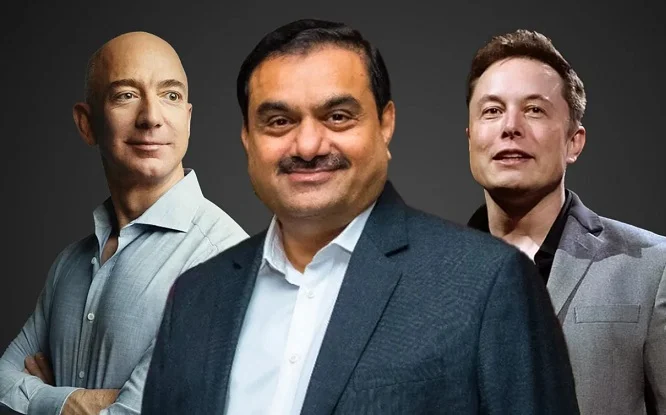
    India’s economic landscape is as diverse as its culture, and this diversity is clearly reflected in the distribution of wealth across its states. From industrial powerhouses like Maharashtra to resource-rich regions like Odisha, each state has produced business magnates who have built massive fortunes through innovation, strategic investments, and entrepreneurial vision. Figures like Mukesh Ambani and Gautam Adani dominate national wealth rankings, but every state has its own influential billionaire or business tycoon shaping its economy.

    Understanding the richest person in each state provides deep insight into the dominant industries, growth patterns, and economic drivers of that region. These individuals are not just symbols of wealth—they are job creators, industry leaders, and key contributors to India’s GDP.

    Their success stories reflect the opportunities available within each state and highlight the importance of regional entrepreneurship. As India continues to grow as a global economic powerhouse, these wealthy individuals play a critical role in shaping its future.


    Maharashtra: India’s Financial Capital and Billionaire Hub

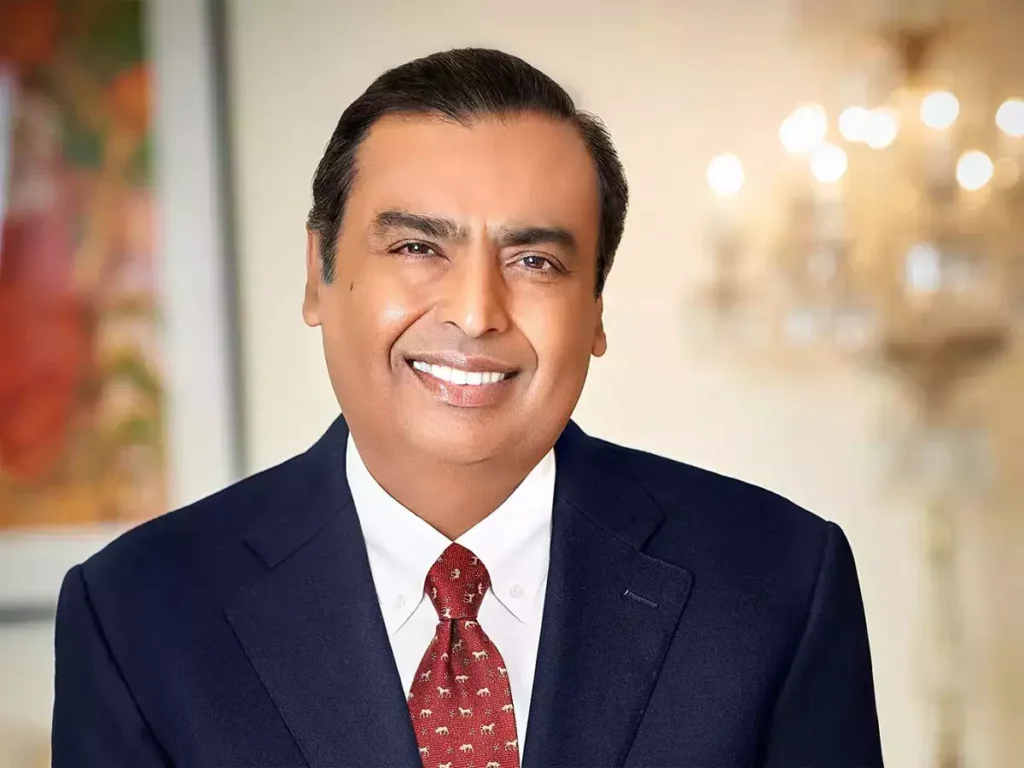
    Maharashtra, home to Mumbai—the financial capital of India—is dominated by industrial and corporate giants. The richest individual associated with this state is Mukesh Ambani, chairman of Reliance Industries. His empire spans petrochemicals, telecommunications, retail, and digital services.

    Maharashtra’s wealth is fueled by finance, entertainment, and large-scale industries, making it the richest state in India. The presence of the Bombay Stock Exchange and major corporate headquarters attracts massive investments. Ambani’s leadership has transformed Reliance into a global powerhouse, contributing significantly to India’s economic growth. The state continues to be a magnet for entrepreneurs and investors alike.


    Gujarat: Industrial Growth and Entrepreneurial Excellence

    Gujarat is known for its strong industrial base and business-friendly environment. The richest individual linked to the state is Gautam Adani, founder of Adani Group. His business empire spans ports, energy, logistics, and infrastructure. Gujarat’s strategic location and pro-business policies have made it a hub for industrial development.

    The state has consistently attracted domestic and international investments. Adani’s rapid rise reflects the opportunities available in infrastructure and energy sectors. Gujarat continues to lead in manufacturing and exports.


    Karnataka: Technology राजधानी and Innovation Hub

    Karnataka, particularly Bengaluru, is India’s technology capital. One of the wealthiest individuals associated with the state is Azim Premji, former chairman of Wipro. His contributions to the IT industry have been transformative.

    Karnataka’s economy thrives on technology, startups, and innovation-driven enterprises. The state hosts numerous global tech companies and unicorn startups. Premji is also known for his philanthropic efforts, making a significant impact on education and social development. Karnataka continues to be a leader in India’s digital economy.


    Tamil Nadu: Manufacturing Strength and Business Leadership

    Tamil Nadu is a major manufacturing and industrial hub, particularly in automobiles and textiles. A prominent wealthy figure from the state is Shiv Nadar, founder of HCL Technologies. His contributions to IT and education have been remarkable.

    Tamil Nadu’s diversified economy includes manufacturing, IT, and services, making it one of India’s most developed states. The state’s infrastructure and skilled workforce attract global companies. Nadar’s success highlights the importance of innovation and education in wealth creation. Tamil Nadu continues to be a key player in India’s industrial growth.


    Delhi: Political Power Meets Business Influence

    Delhi, the national capital, is home to several influential business families. Among the richest is Shiv Nadar, who also has strong ties to the region. Delhi’s economy is driven by services, real estate, and trade, supported by its status as the political center of India. The city attracts entrepreneurs and investors from across the country. Its strategic importance makes it a hub for policy-making and corporate activity. Wealth in Delhi often intersects with influence and governance.


    Telangana: Rising Tech and Pharma Giant

    Telangana, with Hyderabad as its capital, has emerged as a major center for technology and pharmaceuticals. A leading wealthy figure is Kiran Mazumdar-Shaw, associated with the biotech industry. The state’s focus on innovation and infrastructure has attracted global companies. Hyderabad is known for its IT parks and pharma hubs. Telangana’s rapid growth reflects its investor-friendly policies and skilled workforce. The state is becoming a major contributor to India’s economy.


    Andhra Pradesh: Infrastructure and Industrial Expansion

    Andhra Pradesh has seen significant growth in infrastructure and industrial sectors. Business leaders in construction, energy, and agriculture dominate the wealth landscape. The state’s strategic coastal location supports trade and logistics. Investments in ports and infrastructure are driving economic development. Entrepreneurs in Andhra Pradesh are leveraging these opportunities to build substantial wealth. The state continues to focus on industrial expansion.


    West Bengal: Legacy Industries and Emerging Enterprises

    West Bengal’s economy is rooted in traditional industries like steel, tea, and jute, along with emerging sectors. A notable wealthy figure is Lakshmi Mittal, associated with the steel industry. The state is gradually transitioning towards modern industries and services. Calcutta remains a key commercial center. Industrial revival efforts are creating new opportunities for wealth generation. West Bengal continues to evolve economically.


    Rajasthan: Mining, Cement, and Business Growth

    Rajasthan’s wealth is largely derived from mining, cement, and infrastructure industries. Business leaders in these sectors have built large fortunes. The state’s natural resources play a crucial role in its economic development. Tourists also contributes significantly to revenue. Entrepreneurs are leveraging both traditional and modern industries to create wealth. Rajasthan’s economy is steadily growing.


    Uttar Pradesh: Population Power and Emerging Wealth

    Uttar Pradesh, India’s most populous state, is witnessing rapid economic growth. Wealth creation is driven by real estate, manufacturing, and services. The state’s large consumer base offers immense business opportunities. Infrastructure development is boosting investment. Entrepreneurs are capitalizing on these opportunities to build successful enterprises. Uttar Pradesh is becoming a key economic player.


    Conclusion: Wealth as a Reflection of India’s Economic Diversity

    India’s richest individuals across states highlight the country’s economic diversity and potential. Each state’s wealth is shaped by its unique industries, resources, and entrepreneurial ecosystem. From technology and finance to manufacturing and infrastructure, these leaders represent the driving forces behind India’s growth.

    Their success stories inspire future generations and contribute to the nation’s progress. As India continues to expand its global influence, the role of these wealthy individuals will remain crucial. Understanding their impact helps us appreciate the dynamic nature of India’s economy and its promising future.

  • America’s Richest Immigrants: Stories of Success, Innovation, and Global Influence

    America’s Richest Immigrants: Stories of Success, Innovation, and Global Influence

    Introduction: The Power of Immigrant Entrepreneurship

    The United States has long been recognized as a land of opportunity, attracting ambitious individuals from across the globe who aspire to build successful lives and businesses. Many of the nation’s wealthiest individuals are immigrants who arrived with limited resources but extraordinary determination. Figures like Elon Musk, Sergey Brin, and Satya Nadella exemplify how global talent contributes significantly to the American economy. These individuals have not only accumulated immense wealth but have also reshaped industries, driven technological innovation, and created millions of jobs.

    The success of immigrant billionaires highlights the importance of diversity, resilience, and innovation in building a thriving economy. Their journeys reflect a blend of cultural perspectives and entrepreneurial spirit, which often leads to groundbreaking ideas. From Silicon Valley tech giants to global retail empires, immigrant entrepreneurs have left a lasting impact. Their stories inspire millions worldwide, proving that with vision and perseverance, extraordinary success is achievable regardless of origin.

    Technology Titans: Driving Innovation and Wealth Creation

    The technology sector is perhaps the most prominent area where immigrant entrepreneurs have achieved remarkable success. Leaders like Elon Musk from South Africa revolutionized industries through companies like Tesla and SpaceX, pushing boundaries in electric vehicles and space exploration. Similarly, Sergey Brin, who emigrated from Russia, co-founded Google, transforming how the world accesses information.

    Another notable figure is Jensen Huang, originally from Taiwan, who built NVIDIA into a global leader in AI and computing. These innovators have not only amassed vast fortunes but have also fundamentally changed how society operates. Their companies are at the forefront of artificial intelligence, renewable energy, and digital transformation.

    The success of immigrant tech leaders underscores the importance of global talent in driving technological advancement and economic growth. Their ability to identify future trends and invest in disruptive technologies has made them some of the wealthiest individuals in the world.

    Finance and Investment Leaders: Building Wealth Through Strategy

    Immigrants have also made significant contributions to the financial sector, building wealth through strategic investments and innovative financial services. One of the most prominent names is George Soros, a Hungarian-born investor known for his hedge fund success and philanthropic initiatives. Another influential figure is Leon Black, whose leadership in private equity has generated substantial wealth. Additionally, David Tepper, though American-born, often collaborates in a global financial ecosystem heavily influenced by immigrant talent.

    These financial leaders demonstrate how strategic thinking and risk management can lead to extraordinary wealth creation. Their contributions extend beyond personal success, influencing global markets and investment strategies. Immigrant investors often bring unique perspectives shaped by their diverse backgrounds, enabling them to identify opportunities others might overlook. Their impact on global finance highlights the interconnected nature of modern economies.

    Retail and Consumer Giants: Transforming Everyday Life

    The retail sector has also seen significant contributions from immigrant entrepreneurs who have built global consumer brands. Shahid Khan, originally from Pakistan, built a billion-dollar empire in automotive parts and sports franchises. Another iconic figure is Jan Koum, who immigrated from Ukraine and co-founded WhatsApp, later acquired by Facebook for billions.

    These entrepreneurs have transformed how people communicate, shop, and interact in their daily lives. Their businesses cater to millions of consumers worldwide, creating value and convenience. The success of immigrant-led retail and consumer companies highlights the importance of understanding diverse markets and customer needs. Their ability to innovate and adapt has been key to their sustained growth and profitability.

    Healthcare and Biotechnology Leaders: Innovating for Humanity

    Immigrant entrepreneurs have played a crucial role in advancing healthcare and biotechnology, contributing to life-saving innovations. Leaders like Patrick Soon-Shiong, originally from South Africa, have made groundbreaking contributions to cancer research and treatment. Similarly, Kiran Mazumdar-Shaw—though based in India—collaborates globally, showcasing the interconnected nature of biotech innovation.

    These pioneers are not only creating wealth but also improving the quality of life for millions. Their work in pharmaceuticals, medical technology, and research has led to significant advancements in healthcare. Immigrant scientists and entrepreneurs bring diverse perspectives that drive innovation in tackling complex global health challenges. Their contributions underscore the importance of investing in research and development for a better future.

    Media, Entertainment, and Beyond: Cultural and Economic Influence

    Immigrants have also made their mark in media and entertainment, shaping global culture and generating significant wealth. Figures like Rupert Murdoch, originally from Australia, built a vast media empire through News Corporation. Similarly, Haim Saban, born in Egypt, has made significant contributions to entertainment and philanthropy.

    These individuals have influenced how information and entertainment are consumed worldwide. Their companies reach millions of people, shaping public opinion and cultural trends. The success of immigrant media moguls highlights the power of storytelling and communication in building wealth and influence. Their impact extends beyond business, affecting societal values and global discourse.

    Key Traits Behind Their Success

    Despite their diverse backgrounds and industries, America’s richest immigrants share several common traits that have contributed to their success. Resilience is perhaps the most defining characteristic, as many faced significant challenges in adapting to a new country. They also exhibit a strong entrepreneurial mindset, constantly seeking opportunities and embracing innovation.

    Risk-taking is another crucial factor, as many invested in unproven ideas that later became highly successful ventures. Additionally, their global perspective allows them to understand diverse markets and identify unique opportunities. These traits, combined with hard work and determination, have enabled them to achieve extraordinary success. Their journeys serve as powerful examples of what can be achieved through perseverance and vision.

    Conclusion: The Lasting Impact of Immigrant Wealth Creators

    The stories of America’s richest immigrants are a testament to the transformative power of opportunity, innovation, and determination. From technology and finance to healthcare and media, these individuals have reshaped industries and contributed significantly to economic growth.

    Their success underscores the importance of embracing diversity and fostering an environment where talent from around the world can thrive. As the global economy continues to evolve, immigrant entrepreneurs will remain a driving force behind innovation and progress. Their journeys inspire future generations to dream big, work hard, and seize opportunities, regardless of their origins. Ultimately, the success of immigrant billionaires reflects the enduring promise of the American dream—a promise that continues to attract and empower individuals from every corner of the globe.

  • India’s Richest Individuals: Power, Wealth, and the Billionaire Blueprint

    India’s Richest Individuals: Power, Wealth, and the Billionaire Blueprint

    Introduction: The Rise of India’s Billionaire Class

    India has emerged as one of the fastest-growing economies in the world, and with this growth comes a remarkable rise in billionaire wealth. Over the past few decades, the country has witnessed the transformation of family-owned businesses into global conglomerates and the emergence of self-made entrepreneurs who have built empires from scratch. India’s richest individuals are not just symbols of wealth—they are architects of economic growth, innovation, and global influence. Their success stories reflect resilience, strategic thinking, and the ability to adapt to changing market dynamics.

    From energy and telecom to technology and retail, these billionaires dominate key sectors that drive India’s economy. Their influence extends beyond business into philanthropy, policymaking, and social development. As India continues to grow, its richest individuals are playing a pivotal role in shaping the nation’s future on the global stage.


    Mukesh Ambani: The Business Titan of Modern India

    Mukesh Ambani, chairman of Reliance Industries, is consistently ranked as India’s richest individual. Under his leadership, Reliance has transformed from a petrochemicals company into a diversified conglomerate with interests in telecom, retail, and digital services. His bold vision led to the launch of Jio, which revolutionized India’s telecom industry by making data affordable for millions. This move not only disrupted the market but also accelerated India’s digital transformation.

    Ambani’s focus on innovation and expansion has positioned Reliance as a global powerhouse. His investments in green energy and technology further demonstrate his forward-thinking approach. He represents the perfect blend of traditional business acumen and modern innovation.


    Gautam Adani: The Infrastructure Powerhouse

    Gautam Adani, founder of the Adani Group, has rapidly climbed the ranks to become one of India’s wealthiest individuals. His business empire spans ports, airports, energy, logistics, and infrastructure. Adani’s growth strategy focuses on building critical infrastructure that supports India’s economic development. His aggressive expansion and strategic acquisitions have significantly increased his wealth.

    The Adani Group plays a crucial role in powering India’s industries and facilitating trade. Despite challenges and market fluctuations, Adani continues to expand his global footprint. His journey highlights the importance of vision, risk-taking, and execution in achieving massive success.


    Shiv Nadar: The Tech Visionary

    Shiv Nadar, founder of HCL Technologies, is one of the pioneers of India’s IT revolution. Starting with a small team, he built HCL into a global technology giant. Nadar’s focus on innovation and technology has been instrumental in putting India on the global IT map. His contributions go beyond business, as he is also a prominent philanthropist.

    Through the Shiv Nadar Foundation, he has invested heavily in education and social development. His journey reflects the power of knowledge and innovation in creating wealth. He is a true example of how technology can transform lives and economies.


    Cyrus Poonawalla: The Vaccine King of India

    Cyrus Poonawalla, chairman of the Serum Institute of India, is one of the richest individuals in the healthcare sector. His company is the world’s largest vaccine manufacturer by volume. Poonawalla’s work has had a profound impact on global healthcare, especially during the COVID-19 pandemic. By producing affordable vaccines, he has contributed to saving millions of lives.

    His business model focuses on accessibility and scale, making healthcare solutions available to developing countries. His success underscores the importance of innovation in healthcare. He has proven that profitability and social impact can go hand in hand.


    Radhakishan Damani: The Retail Magnate

    Radhakishan Damani, founder of DMart, is a self-made billionaire known for his disciplined investment strategy. His retail chain, DMart, has become one of India’s most successful supermarket brands. Damani’s focus on cost efficiency and value for money has made DMart a favorite among consumers. Unlike many aggressive expansion models, he has adopted a steady and sustainable growth approach.

    His success demonstrates the power of simplicity and consistency in business. He is also a respected investor with a keen eye for opportunities. His journey inspires entrepreneurs to focus on fundamentals and long-term value creation.


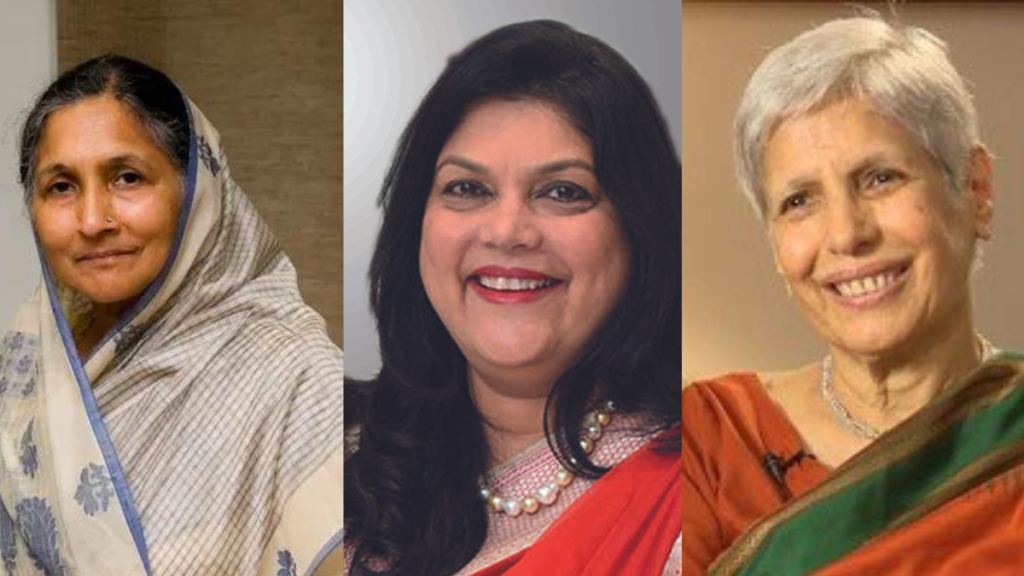
    Savitri Jindal: India’s Richest Woman

    Savitri Jindal, chairperson of the OP Jindal Group, is India’s richest woman. She inherited the business after the passing of her husband and successfully expanded it across steel, power, and infrastructure sectors. Her leadership has been instrumental in maintaining and growing the Jindal Group’s legacy. She is also actively involved in politics and social initiatives.

    Her journey highlights the role of women in leadership and business. She continues to inspire future generations of women entrepreneurs. Her success is a testament to resilience and determination.


    The Role of Billionaires in India’s Economy

    India’s richest individuals play a significant role in driving economic growth, creating jobs, and fostering innovation. Their businesses contribute to GDP, infrastructure development, and technological advancements. They also influence global markets and attract foreign investments.

    Through philanthropy, many billionaires are addressing social issues such as education, healthcare, and poverty. Their initiatives have a lasting impact on society. They are not just wealth creators—they are nation builders shaping India’s future.


    Challenges and Responsibilities of Wealth

    With great wealth comes great responsibility, and India’s richest individuals face several challenges, including market volatility, regulatory pressures, and global competition. Maintaining growth while ensuring ethical practices is a key challenge for billionaires. They are also expected to contribute to society and address social inequalities.

    Balancing business success with social responsibility is crucial in today’s world. Transparency and sustainability are becoming increasingly important. The ability to navigate these challenges defines true leadership.


    Conclusion: The Future of Wealth Creation in India

    India’s billionaire landscape is constantly evolving, with new entrepreneurs joining the ranks every year. The future of wealth creation in India lies in innovation, technology, and sustainable business practices. As the economy grows, more opportunities will emerge for aspiring entrepreneurs.

    The stories of India’s richest individuals serve as inspiration for those aiming to achieve success. Their journeys highlight the importance of vision, perseverance, and adaptability. India’s growth story is closely linked to the success of its business leaders, who continue to shape the nation’s destiny.

  • India’s Richest Self-Made Women: Power, Passion, and Billionaire Success Stories

    India’s Richest Self-Made Women: Power, Passion, and Billionaire Success Stories

    Introduction: The Rise of Self-Made Women in India’s Wealth Landscape

    India’s economic transformation has opened doors for a new generation of women entrepreneurs who are redefining success through sheer determination and innovation. Unlike inherited wealth, self-made fortunes represent grit, resilience, and visionary thinking. Women across industries—from biotech and fintech to beauty and e-commerce—have built billion-dollar empires from scratch. Leaders like Kiran Mazumdar-Shaw and Falguni Nayar symbolize this powerful shift in India’s business ecosystem.

    These women have not only created wealth but have also broken societal stereotypes and inspired millions of aspiring entrepreneurs.

    Their journeys are marked by challenges, bold decisions, and relentless pursuit of excellence. The rise of self-made women billionaires in India reflects the country’s growing inclusivity and opportunities for women in business. As India continues to evolve economically, these women stand at the forefront of innovation and leadership.


    Biotech and Healthcare Leaders: Innovation That Saves Lives

    The healthcare and biotechnology sector has produced some of India’s most inspiring self-made women. Kiran Mazumdar-Shaw, founder of Biocon, is a pioneer in this space. Starting her journey in a garage, she built Biocon into a global biopharmaceutical giant. Her success highlights the importance of innovation, research, and perseverance in building a sustainable business. She has played a crucial role in making affordable healthcare accessible to millions.

    Mazumdar-Shaw’s journey proves that determination and scientific vision can lead to extraordinary success. The biotech sector continues to offer immense opportunities for women entrepreneurs in India.


    Beauty and E-Commerce Queens: Building Billion-Dollar Brands

    India’s beauty and e-commerce industries have witnessed remarkable growth, led by visionary women entrepreneurs. Falguni Nayar, founder of Nykaa, transformed the beauty retail landscape in India. Leaving a successful banking career, she built Nykaa into a billion-dollar company.

    Her success underscores the power of understanding consumer needs and leveraging digital platforms. Nykaa’s rise reflects the growing demand for online beauty products and personalized shopping experiences. Nayar’s journey is a testament to the fact that it’s never too late to start something new and achieve greatness. The e-commerce sector continues to empower women entrepreneurs across the country.


    Finance and Fintech Leaders: Redefining Money Management

    Women in finance and fintech are breaking barriers and building powerful enterprises. Leaders in this sector have demonstrated exceptional financial acumen and strategic thinking. They are leveraging technology to make financial services more accessible and efficient. From digital payments to wealth management, women entrepreneurs are transforming the financial landscape. Their contributions are driving financial inclusion and empowering millions of Indians. The fintech sector is rapidly growing, offering new opportunities for innovation and leadership.


    Manufacturing and Industrial Pioneers: Strength and Scale

    The manufacturing sector has also seen the rise of self-made women who have built large-scale enterprises. These leaders have created businesses that contribute significantly to India’s industrial growth. Their success is rooted in operational excellence, strategic expansion, and strong leadership. They have overcome challenges such as capital constraints and market competition to build thriving companies. Manufacturing remains a powerful avenue for wealth creation, especially for women willing to take bold risks. These pioneers continue to inspire future generations of entrepreneurs.


    Media and Entertainment Influencers: Building Empires of Influence

    The media and entertainment industry has provided a platform for women to build both influence and wealth. Entrepreneurs in this space have leveraged content, branding, and audience engagement to create successful ventures.

    Their ability to connect with audiences has been a key factor in their success. From digital platforms to traditional media, women are shaping the narrative and creating impactful content. This sector continues to grow, offering immense opportunities for creative entrepreneurs. Women in media are redefining storytelling and influence.


    Challenges Faced by India’s Self-Made Women Billionaires

    Despite their achievements, self-made women in India face unique challenges, including societal expectations and limited access to funding. Breaking into male-dominated industries requires resilience, confidence, and unwavering determination. Many women entrepreneurs have had to overcome biases and prove their capabilities repeatedly. Their journeys highlight the importance of perseverance and self-belief in achieving success. By overcoming these obstacles, they have set powerful examples for others.


    The Impact of Self-Made Women on India’s Economy

    Self-made women billionaires are playing a crucial role in India’s economic growth and development. They are creating jobs, driving innovation, and contributing to various sectors of the economy. Many of them are also actively involved in philanthropy, supporting education, healthcare, and women empowerment initiatives. Their influence extends beyond business, shaping societal values and inspiring future generations. As more women enter the entrepreneurial space, their impact will continue to grow.


    Conclusion: A New Era of Women-Led Wealth Creation

    The rise of India’s richest self-made women marks a significant shift in the country’s economic and social landscape. These women have proven that success is achievable through determination, innovation, and hard work. Their stories inspire millions to pursue their dreams and break barriers. As India continues to grow, the influence of women in business will only strengthen. The future belongs to those who dare to dream—and these women are leading the way.

  • Top Creators: The Rise of Digital Icons Shaping the Modern World

    Top Creators: The Rise of Digital Icons Shaping the Modern World

    Introduction: The Creator Economy Revolution

    The digital age has given birth to a powerful new class of influencers known as creators—individuals who leverage platforms like YouTube, Instagram, and TikTok to build massive audiences and thriving businesses. These creators are not just entertainers; they are entrepreneurs, storytellers, educators, and trendsetters who shape culture and consumer behavior. From gaming and comedy to education and lifestyle, creators are redefining how content is consumed and monetized.

    Personalities like MrBeast and PewDiePie have built global empires through creativity and consistency. The creator economy is now a multi-billion-dollar industry, offering opportunities for anyone with talent and dedication. Unlike traditional media, creators have direct connections with their audiences, allowing for authentic engagement.

    This shift has democratized content creation, enabling individuals from diverse backgrounds to achieve global recognition. As technology continues to evolve, the influence of creators will only grow stronger.


    YouTube Giants: Masters of Long-Form Content

    YouTube remains one of the most powerful platforms for creators, enabling them to build loyal audiences through long-form videos. Creators like MrBeast and PewDiePie have mastered storytelling, entertainment, and audience engagement. Their content ranges from high-budget challenges to gaming and commentary.

    YouTube allows creators to generate revenue through ads, sponsorships, and merchandise, making it a highly lucrative platform. The ability to create diverse content keeps audiences engaged and coming back for more. Consistency and innovation are key factors behind the success of top YouTubers. These creators have transformed YouTube into a global entertainment powerhouse.


    Social Media Influencers: Dominating Instagram and TikTok

    Platforms like Instagram and TikTok have created a new generation of influencers who specialize in short-form content. Creators such as Charli D’Amelio have gained followers through engaging and relatable content. Short-form videos are highly engaging and easily shareable, making them ideal for viral content.

    Influencers collaborate with brands to promote products and services. Social media platforms provide creators with powerful tools to build personal brands and monetize their influence. These influencers play a significant role in shaping trends and consumer preferences.


    Gaming Creators: Turning Passion into Profit

    Gaming has become one of the most popular categories in the creator economy. Streamers and gamers like Ninja have built massive followings on platforms like Twitch and YouTube. Gaming creators generate revenue through streaming, sponsorships, and tournaments.

    Their content includes live gameplay, tutorials, and interactive sessions with fans. The gaming industry continues to grow, providing endless opportunities for creators. These individuals have turned their passion for gaming into highly profitable careers.


    Educational Creators: Learning Made Engaging

    Educational creators are transforming the way people learn by making complex topics accessible and engaging. Channels focused on science, finance, and self-improvement have gained immense popularity.

    These creators combine knowledge with storytelling to create impactful content. They often provide valuable insights and practical advice to their audiences. Educational content is not only informative but also highly popular in the digital age. These creators are contributing to global knowledge sharing.


    Lifestyle and Vlogging Creators: Building Personal Brands

    Lifestyle and vlogging creators share their daily lives, experiences, and perspectives with their audiences. Their content often includes travel, fitness, fashion, and personal development. Authenticity and relatability are key factors behind their success.

    These creators build strong emotional connections with their followers. Personal branding plays a crucial role in their growth and monetization. They often collaborate with brands and launch their own products.


    Challenges Faced by Creators in the Digital Age

    Despite their success, creators face several challenges, including algorithm changes, content saturation, and mental health pressures. Maintaining consistency and relevance requires constant effort and creativity.

    Competition is intense, with millions of creators vying for attention. Monetization can also be unpredictable, depending on platform policies and audience engagement. These challenges require resilience and adaptability.


    The Business Side of Content Creation

    Content creation is no longer just a hobby—it is a полноценный business. Creators manage teams, negotiate brand deals, and diversify their income streams. Revenue sources include ads, sponsorships, merchandise, and subscriptions. Many creators have built multi-million-dollar businesses. Understanding analytics and audience behavior is crucial for growth. The business aspect of content creation continues to evolve.


    The Future of the Creator Economy

    The future of the creator economy looks promising, with new technologies and platforms emerging. Virtual reality, artificial intelligence, and метавселенная are expected to shape the next phase of content creation. Creators will have more tools and opportunities to innovate. The demand for authentic and engaging content will continue to grow. The creator economy is set to become even more influential in the coming years.


    Conclusion: The Power of Creativity in the Digital Era

    Top creators are redefining success in the digital age, proving that creativity and passion can lead to extraordinary achievements. They have transformed content creation into a powerful industry that influences culture, business, and society. Their journeys inspire millions to pursue their passions and share their stories with the world. As the digital landscape continues to evolve, creators will remain at the forefront of innovation and influence. The rise of top creators marks a new era of opportunities and possibilities.

  • India’s Best Executive Recruiting Companies: Finding Leaders Who Shape the Future

    India’s Best Executive Recruiting Companies: Finding Leaders Who Shape the Future

    Introduction: The Critical Role of Executive Recruitment in Modern India

    In today’s fast-evolving business environment, leadership is the defining factor between success and stagnation. Organizations across India are increasingly realizing that hiring the right executives is not just a necessity but a strategic priority. Executive recruiting companies, often referred to as executive search firms or headhunters, specialize in identifying, attracting, and placing top-level professionals such as CEOs, CFOs, CTOs, and other senior leaders.

    These firms go beyond traditional hiring by focusing on leadership quality, vision alignment, and long-term organizational impact. As industries become more competitive and globalized, the demand for exceptional leadership has surged. Executive recruiting firms bring deep industry insights, vast professional networks, and rigorous evaluation processes to ensure that only the best candidates are selected. Their role is especially critical in times of transformation, mergers, or expansion, where strong leadership is essential.

    By partnering with these firms, companies gain access to top-tier talent that can drive innovation, growth, and strategic change. This article explores India’s best executive recruiting companies and their impact on shaping the country’s corporate leadership landscape.


    Global Executive Search Leaders with Strong Presence in India

    Global executive search firms have established themselves as leaders in India’s recruitment ecosystem, offering unmatched expertise and international reach. Companies like Korn Ferry, Heidrick & Struggles, and Spencer Stuart are widely regarded as pioneers in leadership hiring.

    These firms specialize in identifying top executives who can lead organizations through complex challenges and opportunities. Their global networks enable them to source talent from across the world, ensuring access to a diverse and highly qualified candidate pool.

    They employ rigorous assessment methodologies, including behavioral interviews, leadership evaluations, and cultural fit analysis. These firms also provide advisory services such as leadership development and succession planning. Their ability to deliver high-impact leaders has made them trusted partners for multinational corporations and large Indian enterprises.


    Leading Indian Executive Recruitment Firms Making a Mark

    India is home to several executive recruiting firms that have built strong reputations for their deep market knowledge and personalized approach. Companies like ABC Consultants, EMA Partners India, and GlobalHunt have emerged as key players in the leadership hiring space. These firms understand the nuances of the Indian business environment and provide tailored solutions to meet client needs. They work closely with organizations to identify leadership requirements and deliver candidates who align with their vision and culture. Their strong local networks and industry expertise enable them to source high-quality talent efficiently. These firms also focus on building long-term relationships with clients and candidates. Their commitment to excellence and client satisfaction has made them trusted names in executive recruitment.


    Boutique Executive Search Firms Offering Specialized Expertise

    Boutique executive search firms are gaining popularity for their niche focus and personalized services. Firms like Transearch India and Stanton Chase specialize in specific industries or functional areas. Their focused approach allows them to deliver highly targeted and effective recruitment solutions. These firms often work with mid-sized companies and startups, helping them find leaders who can drive growth and innovation. Their agility and attention to detail set them apart from larger firms. They invest significant time in understanding client requirements and candidate aspirations. This personalized approach ensures better alignment and long-term success. Boutique firms are particularly valuable for organizations seeking specialized leadership talent.


    The Role of Technology in Executive Recruitment

    Technology is transforming the executive recruitment process, making it more efficient and data-driven. From AI-powered candidate screening to advanced analytics, technology is enabling recruiters to identify the best talent and accurately. Executive search firms are leveraging digital platforms, social media, and professional networks to expand their reach.

    These tools help in identifying passive candidates who may not be actively seeking new opportunities. Technology also enhances the assessment process, providing deeper insights into candidate capabilities and potential. As a result, organizations can make more informed hiring decisions. The integration of technology has significantly improved the speed and quality of executive recruitment.


    Why Organizations Rely on Executive Search Firms

    Hiring senior executives is a complex and high-stakes process that requires expertise and precision. Executive search firms bring a structured approach to leadership hiring, reducing risks and ensuring better outcomes. They provide access to a wider talent pool, including candidates who are not actively looking for jobs. Their expertise in evaluating leadership qualities ensures that only the most suitable candidates are shortlisted. These firms also maintain confidentiality, which is crucial for senior-level hiring. By outsourcing executive recruitment, organizations can focus on their core business activities while ensuring effective leadership acquisition. Their role is essential in building strong and capable leadership teams.


    Emerging Trends in Executive Recruitment in India

    The executive recruitment landscape in India is evolving rapidly, influenced by changing business needs and technological advancements. There is a growing emphasis on diversity and inclusion in leadership hiring, with organizations seeking leaders from varied backgrounds. Digital transformation is also driving demand for executives with strong technological expertise. The rise of startups has created new opportunities for executive search firms, particularly in identifying entrepreneurial leaders. Remote work and global mobility are reshaping the talent pool, making it more diverse and accessible. As these trends continue to evolve, executive recruiting firms are adapting their strategies to meet new challenges.


    Conclusion: Choosing the Right Executive Recruitment Partner

    Selecting the right executive recruiting company is crucial for organizations aiming to build strong leadership teams. The best firms combine global expertise, local insights, and advanced methodologies to deliver exceptional results. Whether it’s global leaders, established Indian firms, or boutique specialists, each brings unique strengths to the table.

    By partnering with the right executive search firm, organizations can secure leaders who drive growth, innovation, and long-term success. As India continues to grow as a global economic powerhouse, the importance of effective leadership will only increase. Executive recruiting companies will remain key enablers in shaping the future of corporate India.

  • India’s Most Influential CMOs: The Marketing Minds Powering India’s Brand Revolution

    India’s Most Influential CMOs: The Marketing Minds Powering India’s Brand Revolution

    Introduction: The Rise of Influential CMOs in India

    India’s business landscape has undergone a dramatic transformation over the past decade, driven by digital disruption, evolving consumer behavior, and intense competition across industries. At the center of this transformation are Chief Marketing Officers (CMOs), who are no longer confined to managing advertising campaigns but are now strategic leaders shaping brand identity, customer experience, and revenue growth. India’s most influential CMOs are redefining marketing by blending creativity with data, innovation with strategy, and storytelling with measurable impact.

    These leaders are responsible for building brands that resonate with millions of consumers across diverse demographics, languages, and cultures. From startups to multinational corporations, CMOs are driving growth by leveraging digital platforms, social media, and advanced analytics.

    Their influence extends beyond marketing departments, impacting product development, customer engagement, and overall business strategy. As India continues to emerge as a global economic powerhouse, the role of CMOs has become more critical than ever, making them key drivers of business success and brand evolution.

    The Evolution of the CMO Role in India

    The role of the CMO in India has evolved significantly, reflecting broader changes in technology, consumer expectations, and business models. Traditionally, marketing leaders focused on brand awareness, advertising, and public relations. However, in today’s fast-paced digital environment, CMOs are expected to be growth strategists who drive measurable business outcomes. Leaders like Harsh Mariwala have emphasized the importance of innovation and consumer-centric thinking in building successful brands.

    Modern CMOs are no longer just brand custodians—they are business leaders who influence revenue, profitability, and long-term growth. This evolution has been fueled by the rise of digital marketing, e-commerce, and data analytics, which have transformed how brands connect with their audiences. CMOs must now navigate a complex ecosystem of channels, from social media to mobile apps, while maintaining a consistent brand voice. The ability to adapt to change and leverage new technologies is a defining characteristic of today’s influential CMOs.

    The most successful marketing leaders in India are those who have embraced this transformation, using it as an opportunity to innovate and lead.

    Key Traits of India’s Most Influential CMOs

    India’s top CMOs share a set of defining traits that enable them to excel in a highly competitive and dynamic environment. One of the most important qualities is strategic thinking, which allows them to align marketing initiatives with business objectives and drive sustainable growth. Influential marketers like Sanjiv Mehta have demonstrated how strong leadership can elevate brand performance.

    Successful CMOs combine visionary thinking with practical execution, ensuring that their strategies deliver tangible results. Another key trait is adaptability, as the marketing landscape is constantly evolving with new technologies and trends. Creativity is equally important, as CMOs must develop compelling campaigns that capture consumer attention and build emotional connections.

    The ability to balance creativity with data-driven decision-making is what sets the best CMOs apart. Strong communication and leadership skills are also essential, as CMOs must collaborate with cross-functional teams and inspire their organizations. These traits collectively define the leaders featured among India’s most influential CMOs.

    Driving Brand Success Through Innovation

    Innovation is at the heart of modern marketing, and India’s most influential CMOs are leading the charge in redefining how brands engage with consumers. From leveraging artificial intelligence to creating immersive digital experiences, these leaders are constantly exploring new ways to differentiate their brands. Companies like Tata Consumer Products have successfully used innovative marketing strategies to strengthen their market position.

    Innovation in marketing is not just about technology—it is about creating meaningful and memorable experiences for consumers. CMOs are also focusing on personalization, using data to deliver tailored messages and offers that resonate with individual customers.

    This approach not only enhances customer satisfaction but also drives loyalty and long-term engagement. The most influential CMOs are those who can turn innovative ideas into impactful campaigns that deliver measurable business results. By embracing innovation, these leaders are setting new standards for marketing excellence in India.

    The Power of Digital Transformation

    Digital transformation has revolutionized the marketing landscape, and CMOs are at the forefront of this change. The rise of social media platforms, e-commerce, and mobile technology has created new opportunities for brands to connect with their audiences in real time. Companies like Flipkart have demonstrated the power of digital marketing in driving growth and customer engagement. Digital transformation is not optional—it is essential for staying competitive in today’s market.

    CMOs must ensure that their organizations are equipped with the tools and technologies needed to succeed in a digital-first world. This includes investing in data analytics, marketing automation, and customer relationship management systems.

    The ability to harness digital technologies effectively is a key differentiator for modern CMOs. India’s most influential CMOs are those who have successfully led digital transformation initiatives, enabling their organizations to thrive in an increasingly digital economy.

    Challenges Faced by CMOs in India

    Despite their critical role in driving business success, CMOs in India face a range of challenges that require resilience and strategic thinking. One of the biggest challenges is managing the complexity of the Indian market, which is characterized by diverse consumer preferences, languages, and cultural nuances. Additionally, CMOs must navigate an increasingly competitive landscape, where brands are constantly vying for consumer attention. Influential entrepreneurs like Vineeta Singh highlight the importance of agility and innovation in overcoming these challenges.

    The ability to adapt to changing market dynamics is crucial for success in India’s fast-paced business environment. Another challenge is demonstrating the return on investment (ROI) of marketing initiatives, as organizations demand measurable results. CMOs must also keep up with rapid technological advancements, which require continuous learning and adaptation. Balancing creativity with accountability is one of the most significant challenges faced by modern CMOs. Those who can successfully navigate these challenges are the ones who emerge as industry leaders.

    The Impact of Influential CMOs on Business Growth

    The influence of CMOs extends far beyond marketing, impacting overall business performance and growth. By shaping brand perception and customer experience, CMOs play a crucial role in driving revenue and building long-term value. Companies like Reliance Industries have demonstrated how strong marketing leadership can contribute to business success.

    Effective marketing is a powerful driver of growth, enabling organizations to expand their reach and strengthen their market position. Influential CMOs also play a key role in fostering innovation and driving organizational change. They work closely with other departments to ensure that marketing strategies are aligned with business objectives.

    Their ability to influence decision-making at the highest level makes them indispensable to modern organizations. By driving growth and innovation, India’s most influential CMOs are shaping the future of business in the country.

    The Future of Marketing Leadership in India

    As India continues to evolve as a global economic powerhouse, the role of CMOs will become even more critical in shaping the future of business. Emerging technologies such as artificial intelligence, augmented reality, and blockchain are creating new opportunities for innovation and engagement. CMOs must be prepared to embrace these technologies and integrate them into their strategies.

    Leaders like Mukesh Ambani demonstrate how visionary thinking can drive both innovation and growth. The future of marketing leadership lies in the ability to anticipate trends, adapt to change, and lead with purpose. Additionally, there will be a greater emphasis on sustainability and social responsibility, as consumers increasingly expect brands to align with their values. CMOs who prioritize ethical practices and social impact will play a key role in building trust and credibility.

    The next generation of marketing leaders in India will be defined by their ability to create meaningful connections and drive positive change.

    Conclusion: Celebrating India’s Marketing Visionaries

    India’s most influential CMOs are not just marketing leaders—they are visionaries who are shaping the future of business and brand building. Their ability to combine creativity, strategy, and innovation has enabled them to create powerful brands that resonate with millions of consumers.

    These leaders are redefining marketing as a strategic function that drives growth, innovation, and long-term value. As the business landscape continues to evolve, the importance of CMOs will only increase, making them key contributors to organizational success. By recognizing and celebrating these influential leaders, we gain valuable insights into the qualities and strategies that define excellence in marketing.

    India’s most influential CMOs serve as an inspiration for aspiring marketers, demonstrating what is possible with vision, determination, and innovation.
  • World’s Richest Self-Made Women: Power, Persistence, and Billion-Dollar Success

    World’s Richest Self-Made Women: Power, Persistence, and Billion-Dollar Success

    Introduction: Redefining Wealth and Success for Women

    In a world historically dominated by male billionaires, self-made women have carved out their own powerful space, redefining what success truly means. These women are not just wealthy—they are innovators, disruptors, and leaders who have built their empires from the ground up. From technology and cosmetics to finance and manufacturing, their journeys reflect resilience, intelligence, and bold decision-making. Names like Oprah Winfrey and Diane Hendricks stand as symbols of determination and entrepreneurial brilliance.

    These women have overcome societal barriers, gender bias, and financial challenges to achieve extraordinary success. Their stories inspire millions across the globe to dream big and pursue their ambitions relentlessly. Self-made women billionaires are reshaping industries and proving that leadership and innovation know no gender. As their influence grows, they continue to pave the way for future generations of women leaders.


    Technology Trailblazers: Women Leading the Digital Revolution

    The technology sector has become a fertile ground for self-made women to build immense wealth and influence. Leaders like Zhou Qunfei and Whitney Wolfe Herd have revolutionized their respective industries. Zhou Qunfei, founder of Lens Technology, built her empire supplying glass for smartphones, while Whitney Wolfe Herd disrupted the dating industry with Bumble.

    These women identified gaps in the market and leveraged technology to create scalable, global businesses. Their success highlights the importance of innovation and adaptability in the digital age. The tech industry offers immense opportunities for women willing to take risks and challenge the status quo. These leaders continue to inspire a new wave of female entrepreneurs in technology.


    Beauty and Fashion Moguls: Turning Creativity into Billions

    The beauty and fashion industries have seen some of the most remarkable success stories of self-made women. Rihanna, founder of Fenty Beauty, and Sara Blakely, creator of Spanx, are prime examples. Rihanna transformed the beauty industry with inclusive products, while Blakely revolutionized shapewear. These women turned creativity and personal vision into global brands worth billions. Their ability to connect with consumers and understand market needs has been key to their success. Brand authenticity and innovation have played a crucial role in building their empires. The beauty and fashion sectors continue to be powerful platforms for women entrepreneurs.


    Finance and Investment Leaders: Mastering Wealth Creation

    Some of the richest self-made women have built their fortunes in finance and investments. Leaders like Abigail Johnson have demonstrated exceptional financial acumen and leadership. These women have mastered the art of wealth creation, managing vast assets and making strategic investment decisions.

    Their influence extends beyond their companies, shaping global financial markets. Financial literacy and strategic thinking are key factors behind their success. Women in finance are breaking barriers and setting new standards for leadership.


    Manufacturing and Industrial Giants: Building Empires from the Ground Up

    The manufacturing sector has also produced some of the world’s richest self-made women. Diane Hendricks built ABC Supply into a leading wholesale distributor. Her journey from humble beginnings to billionaire status is a testament to hard work and perseverance.

    These women have created large-scale businesses that generate employment and drive economic growth. Their success underscores the importance of operational excellence and strategic expansion. Manufacturing remains a powerful avenue for wealth creation.


    Media and Entertainment Icons: Influence Meets Wealth

    Media and entertainment have given rise to influential self-made women like Oprah Winfrey. Her journey from poverty to becoming a global icon is legendary. Oprah’s success is rooted in her ability to connect with audiences and build a powerful personal brand.

    She has expanded her empire into television, film, publishing, and philanthropy. Media platforms provide immense opportunities for women to build influence and wealth simultaneously. These leaders continue to shape cultural narratives and inspire millions.


    Challenges Faced by Self-Made Women Billionaires

    Despite their success, self-made women often face unique challenges, including gender bias and limited access to funding. Breaking into male-dominated industries requires resilience, confidence, and determination. Many of these women have had to work harder to prove their capabilities. Their journeys highlight the importance of perseverance and self-belief. By overcoming these challenges, they have set powerful examples for others.


    The Impact of Self-Made Women on Society and Economy

    Self-made women billionaires are not just wealth creators—they are change-makers. They contribute to economic growth, job creation, and social development. Many of them are actively involved in philanthropy, supporting education, healthcare, and women empowerment initiatives. Their influence extends beyond business, shaping societal values and inspiring future generations. As more women enter the entrepreneurial space, their impact will continue to grow.


    Conclusion: A New Era of Women-Led Success

    The rise of the world’s richest self-made women marks a significant shift in the global economic landscape. These women have proven that success is achievable through determination, innovation, and hard work. Their stories inspire millions to pursue their dreams and break barriers. As the world continues to evolve, the influence of women in business will only strengthen. The future belongs to those who dare to dream—and these women have shown exactly how it’s done.