Category: Billionaires

  • India’s Best Employers for Diversity: Building Inclusive Workplaces for a Better Future

    India’s Best Employers for Diversity: Building Inclusive Workplaces for a Better Future

    India’s corporate world is undergoing a powerful transformation where diversity, equity, and inclusion are no longer optional—they are essential pillars of success. Organizations across industries are recognizing that a diverse workforce leads to better innovation, stronger decision-making, and improved employee satisfaction. Companies such as Tata Consultancy Services, Accenture, and IBM India are setting benchmarks by creating workplaces that celebrate differences and promote equal opportunities.

    These companies understand that diversity is not just about representation but about creating an environment where every employee feels valued, respected, and empowered. From gender diversity to cultural inclusion and support for differently-abled individuals, India’s best employers are taking meaningful steps toward building inclusive ecosystems.

    As globalization and social awareness increase, diversity has become a key factor influencing employer reputation and employee choice.


    Why Diversity Matters in the Modern Workplace

    Diversity in the workplace is more than a corporate trend—it is a strategic advantage that drives growth and innovation. Organizations like Deloitte India and Microsoft India emphasize diversity as a core business value. A diverse workforce brings together individuals with different perspectives, experiences, and ideas, leading to more creative solutions.

    This diversity of thought enhances problem-solving and decision-making capabilities. Companies that embrace diversity are better equipped to understand and serve diverse customer bases. Additionally, inclusive workplaces foster higher employee engagement and satisfaction. Employees are more likely to perform at their best when they feel accepted and respected. Diversity also improves employer branding, attracting top talent from various backgrounds.

    In today’s competitive job market, organizations that prioritize diversity stand out as progressive and forward-thinking.


    Gender Diversity and Women Empowerment

    Gender diversity has become a major focus area for India’s best employers, with many companies implementing policies to support women in the workplace. Organizations like Infosys and Wipro have introduced initiatives aimed at increasing female participation and leadership representation.

    Flexible work arrangements, maternity benefits, and return-to-work programs are helping women balance professional and personal responsibilities. Companies are also investing in leadership development programs specifically designed for women. Equal pay initiatives ensure that women receive fair compensation for their contributions.

    Safe and supportive work environments further encourage female participation. These efforts are not only empowering women but also contributing to overall organizational success. By promoting gender diversity, companies are building more balanced and inclusive workplaces.


    Inclusion Beyond Gender: Embracing All Identities

    Diversity goes beyond gender—it includes individuals from different cultures, backgrounds, abilities, and identities. Companies like Google India and Amazon India are leading the way in creating inclusive workplaces for all. Organizations are implementing policies that support LGBTQ+ employees, ensuring equal opportunities and respect.

    Accessibility initiatives are being introduced to support employees with disabilities. Cultural diversity programs help employees appreciate and celebrate differences. Employee resource groups provide platforms for networking and support. Inclusive hiring practices ensure that talent is recognized regardless of background. These initiatives create workplaces where everyone feels they belong.

    Such inclusivity not only improves employee morale but also enhances collaboration and innovation.


    Inclusive Policies and Employee Benefits

    India’s top employers are implementing inclusive policies that address the diverse needs of their workforce. Companies like Mahindra Group and Aditya Birla Group are known for their employee-centric approaches. Comprehensive health benefits, including mental health support, ensure employee well-being. Flexible work policies cater to different lifestyles and responsibilities.

    Parental leave policies are becoming more inclusive, supporting both mothers and fathers. Anti-discrimination policies create safe and respectful work environments. Training programs on unconscious bias help employees understand and address biases. These policies demonstrate a commitment to fairness and equality.

    By prioritizing inclusivity, companies are creating workplaces where employees can thrive.


    Leadership’s Role in Driving Diversity

    Leadership plays a crucial role in shaping an organization’s diversity and inclusion strategy. Companies like HDFC Bank and Cognizant emphasize the importance of inclusive leadership. Leaders set the tone for organizational culture and influence employee behavior. Inclusive leaders promote open communication and encourage diverse perspectives.

    They ensure that diversity initiatives are integrated into business strategies. Leadership accountability is essential for driving meaningful change. Mentorship programs help support underrepresented groups and foster career growth. By prioritizing diversity, leaders create more equitable workplaces.

    Strong leadership ensures that diversity is not just a policy but a lived experience.


    Future of Diversity in Indian Workplaces

    The future of diversity in India looks promising as more organizations recognize its importance. Companies like Zoho and Flipkart are adopting innovative approaches to inclusion. Technology is playing a key role in enabling inclusive workplaces through remote work and digital collaboration tools. Data-driven insights are helping companies track diversity metrics and improve policies.

    Continuous learning and awareness programs are becoming essential for fostering inclusivity. Organizations are also focusing on intersectionality, addressing multiple aspects of diversity simultaneously. Sustainability and social responsibility are increasingly linked to diversity initiatives. These trends indicate a shift toward more inclusive and equitable workplaces.

    Companies that embrace diversity will be better positioned for long-term success.


    Conclusion: Diversity as a Competitive Advantage

    India’s best employers for diversity are proving that inclusion is not just a moral responsibility but a business advantage. From industry leaders like Tata Group to global organizations operating in India, these companies are setting new standards for workplace excellence. Their commitment to diversity and inclusion is creating environments where employees can thrive and contribute their best.

    By embracing differences and promoting equality, these organizations are driving innovation and growth. For job seekers, choosing an inclusive employer can lead to greater job satisfaction and career success. As India continues to evolve, diversity will remain a key factor in shaping the future of work.

  • India’s Best Midsize Employers: The Perfect Blend of Growth, Culture, and Opportunity

    India’s Best Midsize Employers: The Perfect Blend of Growth, Culture, and Opportunity

    India’s employment landscape is evolving rapidly, and midsize companies are emerging as some of the most attractive workplaces for professionals across industries. Unlike large corporations, these organisations offer a unique combination of flexibility, innovation, and career growth. Companies such as Zoho, Freshworks, and Mindtree have gained recognition for building employee-friendly environments while maintaining strong business performance.

    What makes midsize employers stand out is their ability to provide meaningful roles where employees can directly contribute to the company’s success. With fewer hierarchical barriers and faster decision-making processes, these companies create dynamic workplaces that encourage innovation and ownership.

    For professionals seeking faster career growth and a more engaging work environment, midsize employers are becoming the top choice in India.

    Why Midsize Employers Are Gaining Popularity

    Midsize companies in India are increasingly becoming the preferred choice for job seekers due to their balanced approach to growth and stability. Organisations like L&T Technology Services and Coforge demonstrate how midsize firms can deliver both innovation and strong career opportunities. One of the biggest advantages of these companies is their agility, allowing them to adapt quickly to market changes and implement new ideas efficiently.

    This creates an environment where employees can actively participate in decision-making processes. Unlike large organisations, employees here are not just part of a system but key contributors whose work has a visible impact. Additionally, career progression is often faster due to flatter organizational structures.

    This allows employees to take on leadership roles early and gain valuable experience. Overall, midsize employers offer a compelling mix of opportunity, responsibility, and growth.

    Work Culture That Feels Personal and Engaging

    Work culture is one of the strongest aspects of midsize employers, making them highly attractive to professionals. Companies like Razorpay and Postman have built reputations for fostering inclusive and collaborative environments. Employees in midsize companies often experience a close-knit, community-like atmosphere where collaboration is encouraged.

    This helps build strong interpersonal relationships and enhances teamwork. Open communication and accessibility to leadership further strengthen trust within the organisation. Flexibility in work arrangements, including remote work and flexible hours, supports work-life balance.

    Employees are also encouraged to innovate, experiment, and contribute ideas, creating a culture of continuous improvement. Recognition is more frequent and personal, which boosts morale and motivation. Such a work culture ensures that employees feel valued, engaged, and inspired.

    Competitive Compensation and Benefits

    Midsize employers are no longer behind when it comes to compensation and benefits. Companies like Udaan and Pine Labs are offering competitive packages that rival even large corporations. Employees receive attractive salaries along with performance-based incentives and bonuses. Stock options and equity participation are also becoming common, allowing employees to share in the company’s success.

    Health insurance, paid leave, and retirement benefits provide financial security and peace of mind. Additionally, many companies offer wellness programmes and mental health support. Flexible work policies and additional perks such as learning budgets and travel allowances enhance the overall employee experience. These benefits reflect a shift toward employee-centric workplaces.

    Ultimately, midsize employers are proving that they can offer both financial rewards and job satisfaction.

    Leadership and Growth Opportunities

    Leadership plays a crucial role in shaping the success of midsize organisations and the experience of their employees. Companies like Chargebee and BrowserStack are known for their strong leadership and growth-orientated cultures.

    Leaders in midsize companies are often more accessible, allowing employees to interact directly with decision-makers. This creates transparency and trust within the organisation. Employees benefit from mentorship and guidance, helping them grow professionally. Leadership development programmes and skill-building initiatives prepare employees for future roles. The ability to take ownership of projects and responsibilities accelerates career growth.

    Such environments encourage innovation and creativity. Ultimately, strong leadership ensures that employees are motivated, empowered, and aligned with organizational goals.

    Diversity, Inclusion, and Employee Well-Being

    Diversity and inclusion have become key priorities for midsize employers in India. Companies like Zerodha and Meesho are making significant efforts to create inclusive workplaces. A diverse workforce brings different perspectives, leading to better problem-solving and innovation. Inclusive policies ensure that employees from all backgrounds feel respected and valued. Flexible work arrangements support employees with varying needs, promoting equality.

    Initiatives focused on gender diversity and equal opportunity are gaining momentum. Employee well-being programmes, including mental health support, are also becoming increasingly important. These efforts contribute to a positive work environment.

    An inclusive workplace not only improves employee satisfaction but also enhances organisational performance.

    Future of Midsize Employers in India

    The future of midsize employers in India looks incredibly promising as they continue to adapt to changing workplace trends. Companies like Unacademy and Nykaa are leading the way in innovation and digital transformation.

    Technologies such as AI, automation, and data analytics are creating new opportunities and reshaping job roles. Hybrid work models are becoming more common, offering flexibility and convenience. Upskilling and reskilling are essential as industries evolve rapidly. Companies are investing in employee experience and engagement strategies. Sustainability and social responsibility are also becoming important factors in employer branding. These trends indicate a shift toward more dynamic and employee-focused workplaces.

    Midsize companies that embrace innovation and prioritise employees will continue to thrive.

    Conclusion: Why Midsize Employers Are the Future

    India’s best midsize employers have successfully positioned themselves as ideal workplaces by combining innovation, flexibility, and employee-centric policies. From companies like Zoho to emerging industry leaders, these organisations are redefining what it means to build a successful career.

    Their ability to offer faster growth, meaningful work, and a supportive culture makes them highly attractive to professionals. As the job market continues to evolve, midsize employers will play a crucial role in shaping the future of work in India.

    For job seekers, choosing a midsize company could be the key to unlocking rapid career growth and long-term satisfaction.

  • India’s Best Large Employers: Driving Growth, Innovation, and Employee Excellence

    India’s Best Large Employers: Driving Growth, Innovation, and Employee Excellence

    India’s corporate ecosystem has witnessed remarkable growth over the past few decades, transforming the country into a global employment powerhouse. From IT services and banking to manufacturing and retail, large organizations have become the backbone of India’s economic progress. Companies such as Tata Consultancy Services, Infosys, and Reliance Industries are not just leading in revenue and scale but also setting benchmarks in employee satisfaction and workplace excellence.

    These organisations combine innovation, stability, and opportunity, making them the most sought-after employers in the country. As India continues to grow globally, these companies play a crucial role in shaping careers, industries, and the future of work.


    The Rise of Large Employers in India

    India’s largest employers have emerged as key drivers of economic development, providing millions of jobs and fostering innovation across sectors. Organisations like Wipro and HDFC Bank have built strong foundations by offering structured career paths, competitive salaries, and long-term stability.

    One of the most significant advantages of these companies is their ability to provide job security while still offering growth opportunities. Unlike smaller firms, large employers have the resources to invest in employee training, global expansion, and advanced technologies. This ensures that employees are constantly learning and adapting to industry changes. With initiatives like digital transformation and “Make in India”, these companies are expanding rapidly.

    Their large-scale hiring capabilities also make them accessible to fresh graduates as well as experienced professionals. Ultimately, their rise reflects India’s journey toward becoming a global economic leader.

    Work Culture That Drives Employee Satisfaction

    Work culture has become a defining factor for employees when choosing an organisation, and India’s top employers are excelling in this area. Companies like Google India, Microsoft India, and Accenture are known for fostering environments where employees feel valued and motivated. These organizations emphasize flexibility, open communication, and innovation, ensuring that employees can perform at their best. Work-from-home options, flexible schedules, and employee-friendly policies have become standard practices.

    Another key aspect is continuous learning, where employees are encouraged to upgrade their skills through training programs and certifications. Recognition and reward systems further enhance motivation. A positive work culture not only improves productivity but also boosts employee retention and satisfaction.

    Employee Benefits and Perks That Make a Difference

    India’s best large employers understand that attracting and retaining talent requires more than just competitive salaries. Companies such as Amazon India and Flipkart offer comprehensive benefits that significantly enhance employee well-being. Health insurance, retirement plans, and paid leave policies provide financial security and peace of mind. Flexible working arrangements have become increasingly popular, allowing employees to maintain work-life balance.

    Performance bonuses and stock options serve as strong incentives for employees to excel. Wellness programmes, including mental health support and fitness initiatives, are gaining importance.

    These benefits reflect a shift toward employee-centric workplaces where individuals are valued beyond their professional contributions.

    Leadership and Management: The Backbone of Success

    Strong leadership is a key factor that distinguishes top employers from the rest. Organizations like Mahindra Group and Aditya Birla Group have built their success on visionary leadership and effective management practices. Leaders in these organizations focus on empowering employees, fostering innovation, and maintaining transparency. Empathy and communication are essential traits that help build trust within teams.

    Managers play a crucial role in shaping daily work experiences, influencing employee morale and productivity. Leadership development programs ensure a steady pipeline of future leaders. Ultimately, strong leadership creates a culture of accountability, growth, and excellence.

    Diversity, Inclusion, and Equal Opportunity

    Diversity and inclusion have become integral to the success of modern organisations. Companies like IBM India and Deloitte India are leading initiatives to create inclusive workplaces. A diverse workforce brings a wide range of perspectives, driving innovation and better decision-making.

    Inclusive policies ensure that employees from different backgrounds feel respected and valued. Gender diversity, equal pay, and opportunities for under-represented communities are gaining focus. Training programs on inclusivity help employees understand and appreciate differences. Such initiatives not only improve workplace culture but also enhance overall organisational performance.

    Future Trends Shaping India’s Best Employers

    The future of work in India is evolving rapidly, with new trends redefining what makes an employer stand out. Companies like Zoho and Byju’s are embracing digital transformation and innovation. Technologies such as AI, automation, and data analytics are creating new job opportunities while reshaping traditional roles. Hybrid work models are becoming the norm, offering flexibility and convenience.

    Upskilling and reskilling are essential as industries continue to evolve. Employee experience is becoming a top priority, with companies focusing on personalized benefits and engagement strategies. Organizations that prioritize innovation, adaptability, and employee satisfaction will lead the future.

    Conclusion: Why These Employers Stand Out

    India’s best large employers have successfully created a balance between business growth and employee well-being, making them leaders in the global corporate landscape. From industry giants like Tata Group to emerging innovators, these organizations continue to set new standards of excellence.

    Their ability to combine innovation, strong leadership, and employee-centric policies ensures long-term success. For professionals, choosing the right employer can significantly impact career growth and personal satisfaction. As India continues to rise as an economic powerhouse, these companies will remain at the forefront, shaping the future of work and opportunity.

  • Morning Routines of India’s Richest Entrepreneurs: Success Habits That Shape Billion-Dollar Empires

    Morning Routines of India’s Richest Entrepreneurs: Success Habits That Shape Billion-Dollar Empires

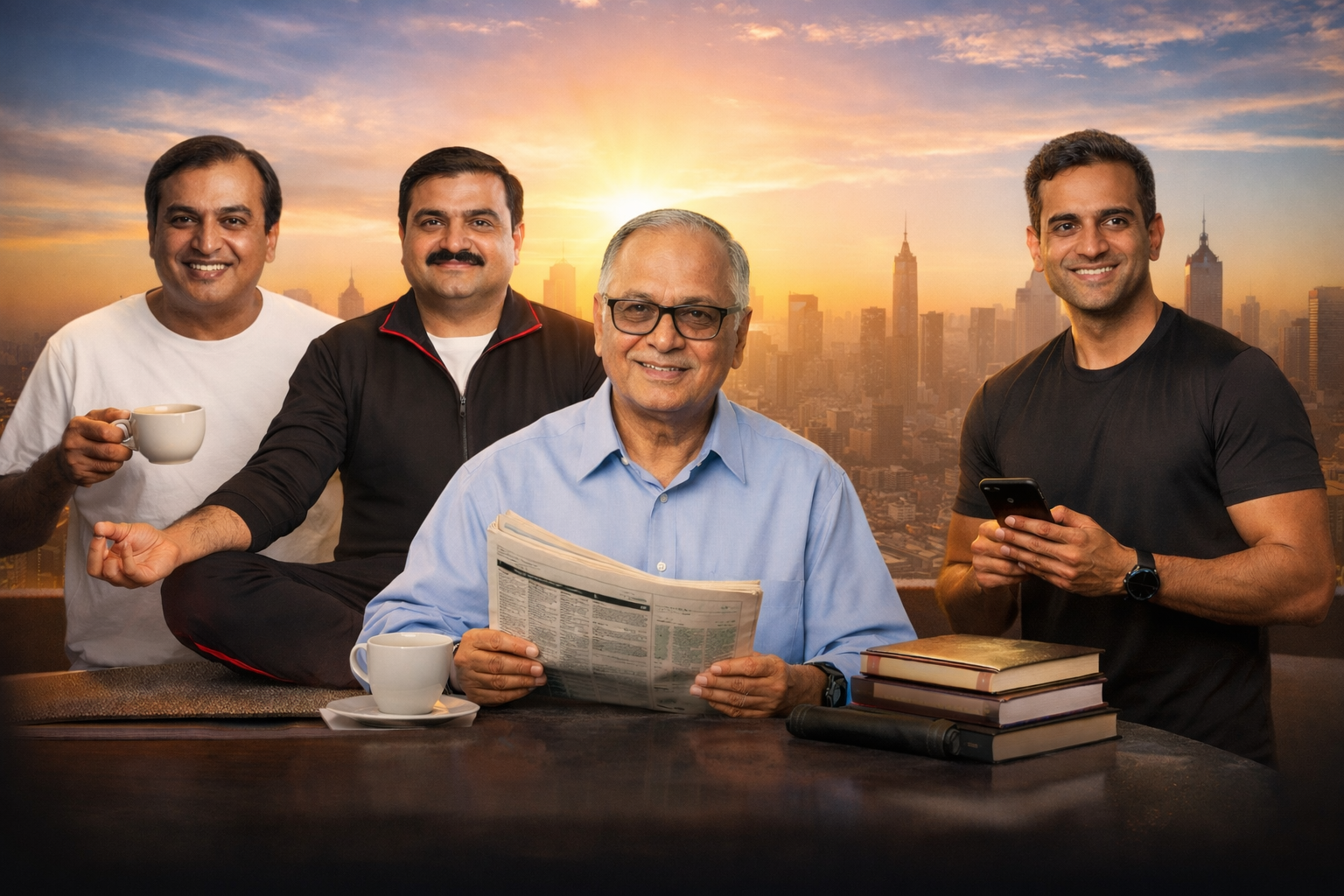
    Understanding the morning habits of India’s top business leaders gives insight into the discipline, mindset, and structure that fuel their success. While each entrepreneur has a unique routine, common patterns emerge—early rising, fitness, focused planning, and mindful reflection.

    Below is a closer look at the morning routines of some of India’s most influential billionaires.

    1. Mukesh Ambani – Discipline & Structured Planning

    Chairman of Reliance Industries

    Mukesh Ambani is known for his structured lifestyle. Despite managing one of the largest conglomerates in India, his mornings focus on clarity and preparation.

    Typical Morning Habits:

    • Wakes up early (around 5–5:30 AM)
    • Light exercise or walking
    • Reads global business news
    • Reviews key reports before heading to office

    His mornings are centred on strategic thinking and preparation, ensuring he starts the day informed and decisive.

    Read more – How Hobbies Shape Leadership Among India’s Richest Women

    2. Gautam Adani – Fitness & Focus
    Founder of Adani Group

    Gautam Adani emphasises mental and physical well-being. His mornings reflect discipline and consistency.

    Typical Morning Habits:

    • Early wake-up (around 5 AM)
    • Yoga or light workout
    • Time with family over breakfast
    • Reviewing infrastructure and global market updates

    His routine highlights the importance of health, calmness, and long-term vision.

    3. Narayana Murthy – Simplicity & Reflection

    Co-founder of Infosys

    Known for his disciplined and minimalistic lifestyle, Narayana Murthy’s mornings are calm and reflective.

    Typical Morning Habits:

    • Early rising
    • Reading newspapers thoroughly
    • Light breakfast
    • Structured work planning

    His focus remains on knowledge acquisition and ethical leadership.

    4. Ratan Tata – Quiet Strength & Routine

    Former Chairman of Tata Group

    Ratan Tata is known for his calm and composed personality.

    Morning Highlights:

    • Early rising habit
    • Light physical activity
    • Reading and reflection
    • Simple breakfast

    His mornings reflect humility, consistency, and thoughtful leadership.

    5. Nithin Kamath – Fitness & Digital Awareness

    Founder of Zerodha

    Nithin Kamath is vocal about fitness and health awareness.

    Morning Routine Includes:

    • Cycling or workout
    • Avoiding excessive early digital distractions
    • Reviewing market data
    • Strategic planning

    His mornings balance physical endurance and financial sharpness.

  • Investment Strategies of India’s Top Billionaires That Built Multi-Billion Dollar Empires

    Investment Strategies of India’s Top Billionaires That Built Multi-Billion Dollar Empires

    India’s leading billionaires didn’t build their wealth overnight. Their investment approaches blend long-term vision, strategic risk-taking, diversification, and deep sector expertise. Here’s a closer look at how some of India’s most influential business leaders grow and protect their fortunes.

    1. Mukesh Ambani – Scale, Integration & Future Tech
    Core Strategy:

    • Vertical integration (energy → telecom → retail → digital services)
    • Aggressive reinvestment into emerging sectors
    • Long-term infrastructure play

    Key Moves:

    • Built telecom giant Reliance Jio disrupting India’s data market.
    • Expanded Reliance Industries from oil refining into retail and green energy.
    • Invests heavily in AI, 5G, and renewable energy.

    Lesson: Think ecosystem, not just company. Build platforms that feed each other.

    Read more – How Hobbies Shape Leadership Among India’s Richest Women

    2. Gautam Adani – Infrastructure & Strategic Assets
    Core Strategy:

    • Focus on core infrastructure
    • Government-aligned sector investments
    • High leverage with calculated expansion

    Key Moves:

    • Built dominance in ports through Adani Ports and Special Economic Zone.
    • Major renewable push via Adani Green Energy.
    • Diversified into airports, logistics, and power transmission.

    Lesson: Control strategic assets that power the economy.

    3. Ratan Tata – Patient Capital & Global Vision
    Core Strategy:

    • Long-term value investing
    • Ethical brand building
    • Global acquisitions

    Key Moves:

    • Expanded Tata Group globally.
    • Acquired Jaguar Land Rover through Tata Motors.
    • Invested in startups like Ola and Paytm (via Tata & personal investments).

    Lesson: Reputation and patience compound wealth over decades.

    4. Azim Premji – Conservative & High-Quality Investing
    Core Strategy:

    • Strong focus on IT services
    • Conservative financial management
    • Major philanthropic allocation

    Key Moves:

    • Transformed Wipro into a global IT services giant.
    • Maintains disciplined capital allocation.
    • Donated billions through the Azim Premji Foundation.

    Lesson: Wealth preservation can be as powerful as wealth creation.

    5. Rakesh Jhunjhunwala – Value Investing & Market Conviction
    Core Strategy:

    • Long-term stock picking
    • High conviction bets
    • Identifying undervalued growth companies

    Key Moves:

    • Early investor in Titan Company.
    • Backed multiple mid-cap and growth stocks.
    • Invested in aviation startup Akasa Air.

    Lesson: Big wealth can be built in public markets with patience and conviction.

  • How Hobbies Shape Leadership Among India’s Richest Women

    How Hobbies Shape Leadership Among India’s Richest Women

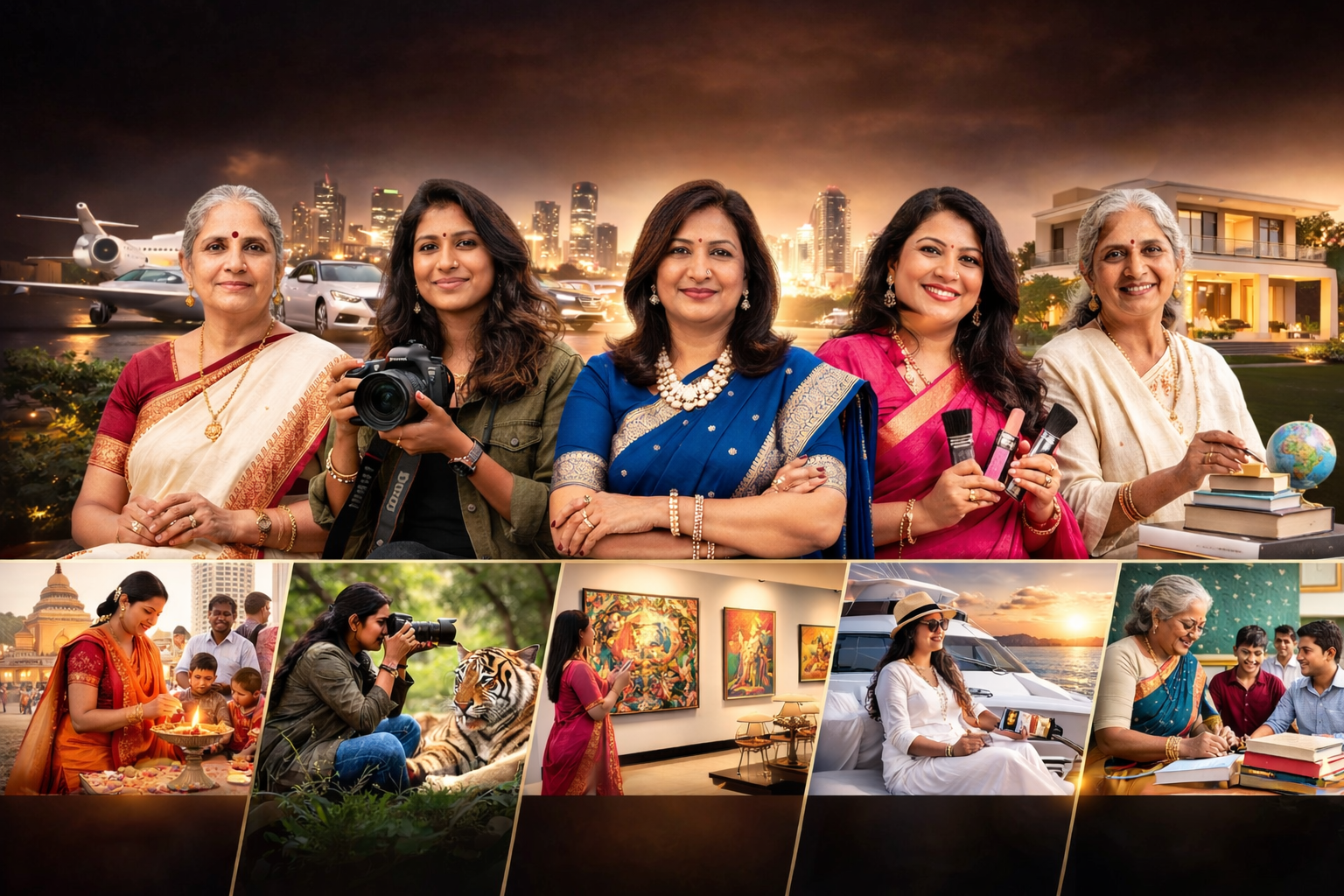
    How Hobbies Shape Leadership: Success at the highest level is rarely built on business strategy alone. For many of India’s richest women, hobbies are not just leisure activities they are powerful tools that shape leadership style, decision-making ability, emotional intelligence, and long-term vision.

    From wildlife conservation and art collection to spirituality and philanthropy, these personal passions influence how India’s top women leaders think, act, and build lasting legacies.

    Hobby: Wildlife & Conservation

    Roshni Nadar’s deep interest in wildlife conservation reflects a leadership style rooted in sustainability and long-term thinking.

    Leadership Impact:

    • Encourages environmental responsibility in corporate decisions
    • Promotes long-term strategic planning
    • Builds empathy-driven leadership

    Her passion for biodiversity protection influences how she integrates sustainability into business growth.

    Creativity & Strategic Thinking: Kiran Mazumdar-Shaw

    Hobby: Art Collection & Cultural Promotion

    Art appreciation requires vision, patience, and the ability to recognise long-term value — traits essential in entrepreneurship.

    Leadership Impact:

    • Encourages innovation and creative problem-solving
    • Enhances ability to identify hidden potential
    • Promotes cultural sensitivity in global business

    Her artistic interests mirror her bold, research-driven leadership in biotechnology.

    Consumer Insight & Brand Vision: Falguni Nayar

    Hobby: Beauty, Fashion & Global Travel

    Falguni Nayar’s passion for beauty and global trends shaped her understanding of consumer psychology.

    Leadership Impact:

    • Deep customer-centric thinking
    • Global market awareness
    • Brand positioning mastery

    Her hobby evolved into a billion-dollar empire, showing how passion can become powerful leadership fuel.

    Values & Stability: Savitri Jindal

    Hobby: Spirituality & Philanthropy

    Spiritual engagement often strengthens resilience and ethical grounding.

    Read more – Indian Billionaire Women & Their Expensive Things: Power, Prestige, and Purpose

    Leadership Impact:

    • Ethical decision-making
    • Calm under pressure
    • Community-oriented leadership

    Her spiritual lifestyle supports value-based leadership across industrial operations.

    Social Responsibility & Vision: Anu Aga

    Hobby: Education Reform & Social Work

    Active involvement in education reform fosters inclusive leadership.

    Leadership Impact:

    • Long-term nation-building mindset
    • Empathy toward grassroots issues
    • Sustainable impact-driven leadership

    Her focus on education reflects leadership that prioritises social transformation.

  • Indian Billionaire Women & Their Expensive Things: Power, Prestige, and Purpose

    Indian Billionaire Women & Their Expensive Things: Power, Prestige, and Purpose

    Indian Billionaire Women & Their Expensive Things: India’s billionaire women are redefining wealth. They are not just inheritors or corporate leaders — they are decision-makers, investors, philanthropists, and cultural influencers. Their expensive possessions reflect not only status but also vision, taste, and long-term impact.

    From private jets and luxury estates to rare art collections and multi-crore philanthropic foundations, here’s a detailed look at the high-value assets and premium lifestyles associated with India’s most powerful billionaire women.

    Savitri Jindal

    As one of India’s richest women, Savitri Jindal is associated with vast business holdings and significant real estate assets.

    Expensive Assets & Lifestyle Highlights:

    • Multi-crore luxury homes across major Indian cities
    • Access to private aviation for business and political travel
    • Large-scale donations to temples, hospitals, and schools
    • High-value industrial and infrastructure investments

    Her wealth reflects industrial dominance, but her high-value philanthropic contributions form a major part of her legacy.

    Roshni Nadar Malhotra

    Chairperson of HCL Technologies, Roshni Nadar blends corporate power with environmental commitment.

    Expensive Things Associated With Her Lifestyle:

    • Luxury farmhouses and premium residences
    • High-end wildlife photography equipment
    • Funding large conservation initiatives
    • Exclusive global travel and safari experiences

    Her investments often extend beyond personal luxury into biodiversity protection and sustainability projects.

    Kiran Mazumdar-Shaw

    Founder of Biocon, Kiran Mazumdar-Shaw is known for combining science, business, and culture.

    High-Value Assets:

    • Rare and contemporary art collections worth crores
    • Premium Bengaluru estates
    • High-profile healthcare philanthropy events
    • Global luxury travel

    Her art collection alone reflects refined taste and significant financial investment in culture.

    Falguni Nayar

    Founder of Nykaa, Falguni Nayar represents modern, self-made billionaire success.

    Luxury Highlights:

    • Premium Mumbai penthouses
    • Designer fashion and couture collections
    • International business-class and private travel
    • High-value global brand collaborations

    Her wealth symbolises entrepreneurial success in India’s booming beauty and fashion industry.

    Read more – Indian Billionaire Women Hobbies: Inside the Luxurious and Meaningful Lives of India’s Richest Women

    Anu Aga

    Industrialist and philanthropist Anu Aga is deeply associated with education reform and social work.

    High-Value Commitments:

    • Significant funding toward education programs
    • Urban premium properties
    • Leadership roles in high-level forums
    • Large NGO contributions

    Her expensive commitments are often directed toward nation-building initiatives.

  • Indian Billionaire Women Hobbies: Inside the Luxurious and Meaningful Lives of India’s Richest Women

    Indian Billionaire Women Hobbies: Inside the Luxurious and Meaningful Lives of India’s Richest Women

    Indian Billionaire Women Hobbies: India’s billionaire women are not just powerful business leaders—they are also passionate individuals with inspiring hobbies. From art collection and philanthropy to wildlife conservation and sports, their interests reflect personality, purpose, and power.

    Here’s a look at the hobbies of some of India’s most influential billionaire women and how they spend their time beyond boardrooms.

    1. Savitri Jindal – Spirituality & Philanthropy
    India’s richest woman, Savitri Jindal, is known for her deep spiritual beliefs and active involvement in philanthropy.

    Hobbies & Interests:

    • Religious and spiritual activities
    • Charity and social welfare programs
    • Supporting educational and healthcare initiatives

    Her lifestyle reflects simplicity despite immense wealth, showing how billionaires often stay grounded through spiritual engagement.

    2. Roshni Nadar Malhotra – Wildlife & Conservation

    Chairperson of HCL Technologies, Roshni Nadar, is deeply passionate about wildlife conservation.

    Hobbies & Interests:

    • Wildlife photography
    • Nature conservation
    • Environmental advocacy

    She founded The Habitats Trust, promoting biodiversity protection in India. Her love for nature is more than a hobby — it’s a mission.

    3. Kiran Mazumdar-Shaw – Art Collection & Fitness

    Founder of Biocon, Kiran Mazumdar-Shaw blends business excellence with cultural appreciation.

    Hobbies & Interests:

    • Collecting contemporary art
    • Fitness and wellness
    • Healthcare philanthropy

    She is an avid art collector and actively promotes Indian artists, proving that creativity and entrepreneurship go hand in hand.

    4. Falguni Nayar – Beauty, Travel & Entrepreneurship

    Founder of Nykaa, Falguni Nayar turned her passion for beauty into a billion-dollar empire.

    Hobbies & Interests:

    • Beauty and fashion exploration
    • Traveling internationally
    • Reading business literature

    Her lifestyle reflects elegance, innovation, and a deep understanding of global trends.

    5. Anu Aga – Education & Social Work

    Industrialist and philanthropist Anu Aga focuses on education reform and social upliftment.

    Hobbies & Interests:

    • Social activism
    • Supporting NGOs
    • Educational reform initiatives

    Her work with Teach For India reflects her commitment to giving back to society.

    Read more – Top 10 Indian Billionaires in 2026 – Detailed Profiles of India’s Richest Business Leaders

    The hobbies of Indian billionaire women reveal a powerful truth: wealth is not just about luxury — it’s about legacy. Whether through wildlife conservation, art patronage, spirituality, or education reform, these women are shaping India beyond business.

    Their interests inspire millions, proving that success and social responsibility can go hand in hand.


  • Self-Made Women Billionaires in India 2026 – Net Worth & Business Leaders

    Self-Made Women Billionaires in India 2026 – Net Worth & Business Leaders

    Women Billionaires in India 2026: India’s economic growth story is no longer defined only by traditional industrial dynasties or male business magnates. A powerful league of women billionaires is now shaping boardrooms, leading multinational corporations, and transforming industries ranging from steel and technology to biotechnology and e-commerce.

    These women are not just inheritors of wealth; many are self-made visionaries, strategic decision-makers, and global influencers. They lead billion-dollar enterprises, drive innovation, expand international markets, and champion philanthropy at scale.

    From industrial leadership in heavy manufacturing to disruptive success in digital startups, India’s richest women represent a new era of corporate leadership — one defined by resilience, intelligence, and long-term vision.

    As India moves toward becoming a multi-trillion-dollar economy, these women stand at the forefront of economic transformation, proving that wealth creation and leadership know no gender boundaries.

    1. Savitri Jindal

    Savitri Jindal is widely regarded as India’s richest woman. As chairperson of the OP Jindal Group, she oversees one of India’s largest steel and power conglomerates. The group’s companies — including JSW Steel and Jindal Power — play a crucial role in India’s infrastructure development.

    Economic Impact

    • Major contributor to India’s steel production
    • Large-scale employment generation
    • Expansion into renewable energy

    Leadership Legacy

    After the passing of her husband, O.P. Jindal, she successfully carried forward the family’s industrial legacy, ensuring strong corporate governance and growth.

    Read more: Top 10 Indian Billionaires in 2026 – Detailed Profiles of India’s Richest Business Leaders

    2. Roshni Nadar

    Roshni Nadar became the first woman to lead a listed Indian IT company when she took over as Chairperson of HCL Technologies. She represents the next generation of Indian corporate leadership.

    Business Influence

    • Strengthened HCL’s global IT services footprint
    • Focus on cloud computing & digital transformation
    • Expanded ESG and sustainability initiatives

    Philanthropy

    Actively involved in the Shiv Nadar Foundation, supporting education and leadership development.

    3. Kiran Mazumdar-Shaw

    Company: Biocon

    Kiran Mazumdar-Shaw is one of India’s most respected self-made women billionaires. She founded Biocon, which became a global biopharmaceutical leader.

    Global Impact

    • Affordable insulin production
    • Expansion into biosimilars
    • Strong global healthcare presence

    She is also a strong advocate for affordable healthcare and innovation-driven growth.

    4. Falguni Nayar

    Company: Nykaa

    Falguni Nayar became one of India’s wealthiest self-made women after Nykaa’s successful IPO. Her brand transformed India’s online beauty and personal care market.

    Success Strategy

    • Omnichannel retail model
    • Strong digital marketing
    • Focus on premium beauty brands

    She is a symbol of entrepreneurial success in India’s startup ecosystem.

    5. Leena Tewari

    Company: USV Pvt Ltd

    Leena Tewari leads USV, a major pharmaceutical company specialising in diabetes and cardiovascular drugs.

    Global Reach

    • Strong international pharma exports
    • Focus on research & innovation
    • Expanding chronic disease treatment portfolio


  • Top 10 Indian Billionaires in 2026 – Detailed Profiles of India’s Richest Business Leaders

    Top 10 Indian Billionaires in 2026 – Detailed Profiles of India’s Richest Business Leaders

    Top 10 Indian Billionaires in 2026: India has emerged as one of the fastest-growing major economies in the world, and its billionaires are playing a key role in shaping industries like energy, technology, retail, pharmaceuticals, and infrastructure. From traditional conglomerates to modern tech empires, these business leaders influence not just India but the global market.

    1. Mukesh Ambani

    Net Worth: Among the highest in Asia
    Industry: Energy, Telecom, Retail

    Chairman of Reliance Industries, Mukesh Ambani, continues to dominate sectors like petrochemicals, telecom (Jio), and retail. His investments in digital services and green energy have strengthened India’s global economic presence.

    2. Gautam Adani

    Industry: Infrastructure, Ports, Energy

    Founder of the Adani Group, Gautam Adani has built one of India’s largest infrastructure empires, spanning ports, airports, renewable energy, and logistics.

    3. Shiv Nadar

    IT Pioneer

    Shiv Nadar founded HCL during India’s early IT revolution. Today, HCL Technologies serves global enterprises in:

    • Cloud computing
    • Cybersecurity
    • AI solutions

    Philanthropy

    Through the Shiv Nadar Foundation, he has invested heavily in education and social development.

    4. Savitri Jindal

    Industrial Strength

    The Jindal Group is a leader in:

    • Steel manufacturing
    • Power generation
    • Infrastructure

    Savitri Jindal is among India’s richest women and plays a significant role in heavy industry growth.

    5. Dilip Shanghvi

    Pharmaceutical Power

    Sun Pharma is one of the world’s largest generic drug manufacturers. Shanghvi built the company through strategic acquisitions and global expansion.

    Impact

    • Affordable medicines
    • Global pharma exports
    • Strong US & Europe presence

    6. Cyrus Poonawalla

    Vaccine Leadership

    Serum Institute became globally recognised for producing vaccines at scale, especially during the COVID-19 pandemic.

    Global Role

    • Largest vaccine manufacturer by volume
    • Strong WHO partnerships
    • Expanding biotech research

    7. Kumar Mangalam Birla

    Diversified Conglomerate

    Operates across:

    • Cement (UltraTech)
    • Metals
    • Financial services
    • Telecom

    Birla’s leadership focuses on sustainable industrial growth.

    8. Radhakishan Damani

    Retail Revolution

    Damani built DMart with a low-cost, high-efficiency retail model, making it one of India’s most profitable supermarket chains.

    9. Lakshmi Mittal

    Global Steel Leader

    Lakshmi Mittal built ArcelorMittal into one of the largest steel producers globally, influencing infrastructure projects worldwide.

    10. Azim Premji

    Tech & Philanthropy Icon

    Azim Premji transformed Wipro into a global IT services company and is one of India’s most generous philanthropists.