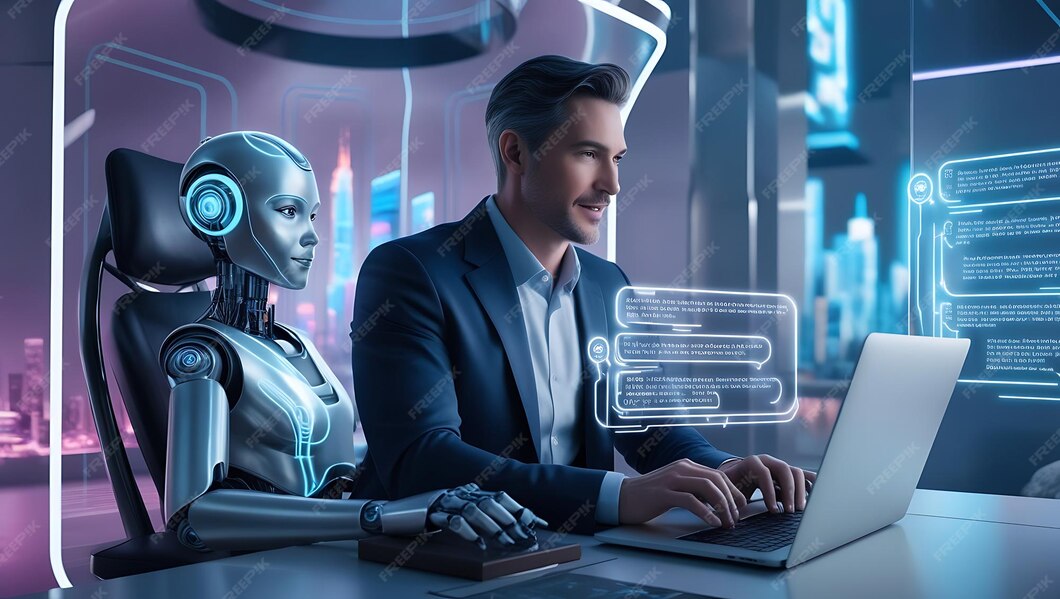
The modern workplace is undergoing a remarkable transformation as Artificial Intelligence continues to reshape how organizations function and grow . Across one of the world’s most dynamic economic environments, businesses are rapidly adopting intelligent technologies to stay competitive and future-ready. This shift is not only changing job roles but also redefining the skills, mindsets, and expectations that define professional success.
As automation and advanced analytics become central to business strategies, employees and leaders alike must adapt to a new era of collaboration between humans and machines. The future of work is no longer about replacing human effort but about enhancing productivity and unlocking creative potential through technological synergy. This evolving landscape presents both opportunities and challenges for organizations striving to balance innovation with inclusivity.
Understanding how AI is shaping the workplace is essential for professionals seeking long-term career growth and for enterprises aiming to build resilient and sustainable operations. The following sections explore the key dimensions of this transformation and the leadership approaches required to navigate it effectively.
The Rise of Intelligent Workplaces
Artificial Intelligence is enabling the creation of smarter and more responsive work environments. Organizations are implementing AI-powered tools that automate repetitive tasks and streamline operational workflows. These innovations allow employees to focus on strategic decision-making and creative problem-solving. The emergence of intelligent workplaces is redefining productivity by reducing manual effort and enhancing efficiency across industries.
In addition, digital collaboration platforms equipped with AI capabilities are improving communication among distributed teams. Real-time translation, automated scheduling, and predictive task management systems are fostering seamless coordination. This technological support is particularly valuable in large and diverse markets where workforce mobility is increasing. Businesses that embrace intelligent workplace solutions are building agile cultures that thrive in complex economic conditions.
Moreover, AI-driven workplace design is influencing how physical and virtual offices are structured. Smart infrastructure systems optimize energy usage, security, and employee well-being. By integrating technology into workplace ecosystems, organizations are creating environments that support innovation and long-term sustainability.
Evolving Skill Requirements and Lifelong Learning
The age of AI is reshaping the skills that professionals need to remain relevant in competitive job markets. Technical competencies such as data literacy, digital communication, and analytical thinking are becoming essential across sectors. At the same time, human-centric skills like empathy and creativity are gaining importance as organizations seek balanced leadership approaches. Continuous learning has become a critical component of career development in technology-driven workplaces.
Educational institutions and corporate training programs are increasingly focusing on reskilling and upskilling initiatives. Online learning platforms powered by AI offer personalized content tailored to individual learning styles and professional goals. This adaptive approach ensures that employees can acquire new capabilities efficiently. Organizations that invest in workforce development are better positioned to navigate technological disruptions and maintain competitive advantages.
Furthermore, the concept of lifelong learning is encouraging professionals to adopt growth-oriented mindsets. Employees who actively pursue knowledge and embrace innovation contribute to stronger organizational performance. Cultivating a culture of curiosity and adaptability is essential for shaping the workforce of the future.
Hybrid Work Models and Digital Collaboration
The future of work is increasingly characterized by hybrid employment structures that combine remote and in-office engagement. AI-enabled tools are facilitating flexible work arrangements by ensuring seamless connectivity and performance tracking. This transformation allows organizations to access broader talent pools and enhance employee satisfaction. Hybrid work models supported by intelligent technologies are redefining traditional employment paradigms.
Digital collaboration platforms equipped with machine learning features are improving project coordination and knowledge sharing. Automated document management, virtual brainstorming tools, and intelligent workflow systems enable teams to maintain productivity regardless of location. These innovations are strengthening organizational resilience and enabling businesses to adapt to changing market conditions.
Additionally, hybrid work environments encourage leaders to adopt inclusive management practices. By leveraging AI analytics, organizations can monitor employee engagement and well-being more effectively. Creating balanced work structures that prioritize flexibility and trust is becoming a defining characteristic of progressive enterprises.
Automation, Job Transformation, and New Opportunities
Automation remains one of the most significant drivers of workplace evolution in the AI era. Routine tasks in sectors such as manufacturing, finance, and customer service are increasingly handled by intelligent systems. While this shift may reduce demand for certain roles, it also creates opportunities for new job categories focused on technology management and innovation. The transformation of job functions highlights the importance of adaptability in modern career pathways.
Organizations are responding to automation trends by redesigning roles and redefining performance metrics. Employees are encouraged to develop interdisciplinary expertise that combines technical knowledge with strategic thinking. This approach enhances professional mobility and prepares individuals for leadership positions. Businesses that proactively manage job transformation are fostering inclusive growth and minimizing disruption.
Moreover, AI-driven entrepreneurship is emerging as a powerful economic force. Startups leveraging intelligent technologies are introducing innovative solutions across diverse sectors. The expansion of AI-enabled business ecosystems is generating employment opportunities and stimulating economic progress.
Ethical Leadership and Responsible AI Integration
As AI adoption accelerates, ethical considerations are becoming central to leadership strategies. Organizations must ensure that intelligent systems operate transparently and respect data privacy standards. Responsible AI practices help build trust among employees, customers, and stakeholders. Ethical leadership is essential for aligning technological innovation with societal values.
Leaders are also expected to address concerns related to workforce displacement and inequality. By implementing reskilling initiatives and inclusive hiring policies, businesses can create equitable opportunities for professional growth. This balanced approach supports long-term organizational stability. Integrating social responsibility into AI strategies enhances corporate credibility and stakeholder confidence.
Furthermore, governance frameworks and regulatory compliance mechanisms are gaining importance as governments introduce guidelines for AI deployment. Organizations that prioritize accountability and transparency are better prepared to navigate evolving policy landscapes. Responsible AI integration is shaping the foundation of sustainable workplace transformation.
The Role of Innovation Ecosystems and Entrepreneurship
Innovation ecosystems are playing a pivotal role in shaping the future of work in the AI era. Collaboration among technology firms, academic institutions, and government initiatives is accelerating the development of intelligent solutions. These partnerships foster knowledge exchange and create opportunities for skill enhancement. Dynamic innovation networks are driving economic growth and technological advancement.
Entrepreneurship is also gaining momentum as professionals explore new business models enabled by AI technologies. Digital platforms allow startups to scale rapidly and compete in global markets. This entrepreneurial spirit contributes to job creation and industry diversification. Encouraging innovation and risk-taking is essential for building vibrant business communities.
Additionally, incubation programs and funding initiatives are supporting emerging enterprises in their growth journeys. By nurturing talent and providing access to resources, these ecosystems enable sustainable innovation. Strong support structures are instrumental in shaping future-ready workplaces and fostering competitive advantage.
Redefining Organizational Culture in the AI Age
Artificial Intelligence is influencing not only operational processes but also organizational culture. Companies are embracing data-driven decision-making and collaborative leadership models to enhance performance outcomes. Transparent communication and shared accountability are becoming integral to workplace dynamics. The evolution of corporate culture is a key factor in determining how effectively organizations adapt to technological change.
Employee engagement strategies are also evolving as businesses prioritize well-being and professional fulfillment. AI-powered feedback systems help leaders understand workforce sentiments and implement targeted improvements. This proactive approach fosters loyalty and motivation. Creating supportive environments that value employee contributions is essential for sustaining productivity in digital workplaces.
Moreover, organizations are promoting diversity and inclusion as part of their cultural transformation efforts. By leveraging technology to eliminate bias and enhance fairness, companies can build stronger teams. Inclusive cultures that embrace innovation are better equipped to navigate future challenges and opportunities.
Preparing for the Next Phase of Workplace Evolution
The journey toward AI-driven workplaces is still unfolding, and the coming years are expected to bring even greater transformations . Emerging technologies such as generative AI, robotics, and immersive digital environments will continue to reshape professional experiences. Organizations that invest in research and digital infrastructure today will gain significant advantages in the future. Strategic preparedness and continuous innovation are essential for thriving in rapidly changing economic landscapes.
Cross-industry collaboration will play a crucial role in unlocking the full potential of AI. By sharing best practices and technological insights, enterprises can accelerate progress and address complex challenges collectively. This cooperative approach strengthens resilience and encourages sustainable growth. Collaborative leadership will define the next phase of workplace evolution in technology-driven economies.
Ultimately, the future of work in the age of AI is about creating meaningful opportunities for individuals and organizations alike. By embracing change with optimism and responsibility, businesses can build adaptive and forward-looking workforces capable of shaping a prosperous global future.
Leave a Reply