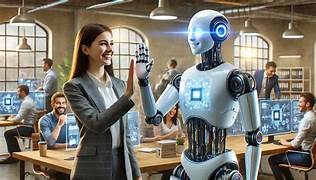
The rapid advancement of automation and artificial intelligence is transforming the global employment landscape in unprecedented ways . Across one of the fastest-growing digital economies, organizations are adopting intelligent technologies to improve efficiency, reduce operational costs, and enhance productivity. These developments are not only reshaping industries but also redefining the skills and roles required for modern careers.
While technological innovation has always influenced work patterns, the current wave of automation represents a deeper structural shift. From manufacturing floors to corporate offices, intelligent systems are taking over repetitive tasks and enabling human workers to focus on strategic and creative responsibilities. Understanding how these changes unfold can help professionals prepare for future opportunities and challenges.
This article explores the key ways automation and AI are reshaping employment, workplace culture, and long-term career prospects in evolving economic environments.
The Evolution of Workplace Automation
Automation has progressed significantly from simple mechanical processes to advanced digital systems capable of learning and decision-making . Organizations are increasingly integrating robotics, machine learning algorithms, and smart software into daily operations. These technologies streamline workflows and improve overall productivity. Automation reduces manual effort and enhances operational precision, enabling businesses to achieve faster outcomes.
In sectors such as logistics, manufacturing, and customer service, automated systems are handling routine tasks like inventory management, data entry, and basic support queries. This shift allows employees to concentrate on higher-value functions that require analytical thinking and interpersonal skills. Task redistribution driven by automation is creating opportunities for professional growth and specialization.
Furthermore, workplace automation supports scalability by allowing companies to expand operations without proportionally increasing workforce size. As a result, organizations can remain competitive in global markets. Efficiency-focused automation strategies contribute to sustainable business expansion and improved resource utilization.
Artificial Intelligence and Decision-Making Processes
Artificial intelligence is playing a crucial role in transforming how organizations make strategic decisions . Advanced analytics platforms can process large volumes of data to identify trends, predict outcomes, and optimize performance. This capability enhances business planning and risk management. Data-driven insights generated by AI enable leaders to make more informed and timely decisions.
AI-powered recommendation systems are also improving customer experiences by personalizing products and services. Such innovations strengthen brand loyalty and increase market competitiveness. Employees working alongside intelligent systems gain exposure to advanced tools that expand their professional capabilities. Human-AI collaboration is becoming a defining feature of modern workplaces.
In addition, predictive maintenance technologies are reducing downtime in industrial settings by identifying potential equipment failures before they occur. This proactive approach saves costs and enhances operational reliability. Intelligent automation contributes to greater organizational resilience and performance stability.
Impact on Job Roles and Skill Requirements
The integration of automation and AI is leading to significant changes in job structures . Routine and repetitive roles are gradually declining, while demand for technology-oriented and creative professions is increasing. Workers must adapt by acquiring new competencies in digital literacy, problem-solving, and innovation. Continuous skill development is essential for staying relevant in technology-driven labor markets.
Educational institutions and corporate training programs are evolving to address these requirements. By offering specialized courses in data analytics, coding, and artificial intelligence, they prepare individuals for emerging career paths. This transformation supports workforce adaptability and economic growth. Upskilling initiatives play a vital role in bridging talent gaps and enhancing employability.
Moreover, hybrid roles that combine technical expertise with domain knowledge are becoming more common. Professionals who understand both technology and business strategy can contribute effectively to organizational success. Interdisciplinary skills are increasingly valuable in future-ready careers.
Automation in Manufacturing and Industrial Sectors
Industrial environments are experiencing some of the most visible impacts of automation . Robotic assembly lines and smart machinery are improving production speed, accuracy, and safety. These advancements reduce workplace hazards and enhance product quality. Technological integration in manufacturing supports higher efficiency and global competitiveness.
At the same time, the adoption of intelligent systems requires skilled technicians capable of managing and maintaining advanced equipment. This shift highlights the importance of technical education and vocational training. The rise of automation is generating new employment opportunities in engineering and system management.
Additionally, digital supply chain platforms are enabling real-time tracking and optimization of logistics operations. Companies can respond quickly to market demands and minimize disruptions. Smart industrial ecosystems are redefining productivity standards and operational strategies.
Transformation of Service and Knowledge-Based Professions
Automation and AI are also reshaping service-oriented industries such as finance, healthcare, and education . Virtual assistants, chatbots, and intelligent scheduling systems are improving customer interactions and administrative efficiency. These tools reduce workload pressures and allow professionals to focus on delivering value-added services. Technology-enhanced service delivery improves both quality and accessibility.
In knowledge-based roles, AI is assisting with research, content generation, and data analysis. This support accelerates project completion and enhances innovation potential. Employees who leverage these tools effectively can achieve higher productivity and career advancement. Digital augmentation is redefining professional excellence in modern workplaces.
Furthermore, remote work technologies are enabling flexible employment models that expand talent pools and improve work-life balance. Organizations can access diverse skills without geographic constraints. Flexible work arrangements supported by automation are shaping the future of employment structures.
Challenges and Concerns Related to Job Displacement
Despite its benefits, automation raises concerns about job displacement and income inequality . Workers in roles heavily dependent on manual or repetitive tasks may face uncertainties as machines replace traditional functions. Addressing these challenges requires proactive workforce planning and policy interventions. Inclusive transition strategies are essential for ensuring equitable economic development.
Psychological impacts such as job insecurity and stress can also affect employee morale and productivity. Organizations must prioritize transparent communication and support systems to help staff navigate technological change. Employee well-being is a critical consideration in digital transformation initiatives.
Moreover, ethical considerations related to data privacy, algorithmic bias, and accountability are gaining importance. Establishing responsible AI governance frameworks can help mitigate potential risks. Ethical technology adoption strengthens public trust and organizational reputation.
Opportunities for Entrepreneurship and Innovation
Automation and AI are creating new avenues for entrepreneurship and startup development . Innovators can leverage advanced technologies to design scalable solutions in sectors ranging from e-commerce to healthcare. This trend encourages creative problem-solving and economic diversification. Technology-driven ventures are contributing to job creation and market competitiveness.
Digital platforms and cloud-based services are lowering entry barriers for aspiring entrepreneurs. By adopting automation tools, small businesses can enhance efficiency and compete with larger organizations. Accessible technology empowers individuals to transform ideas into viable enterprises.
Furthermore, collaboration between startups, research institutions, and industry leaders fosters innovation ecosystems that accelerate technological progress. Cross-sector partnerships play a vital role in shaping future employment opportunities.
Preparing the Workforce for a Technology-Driven Future
Adapting to the evolving job landscape requires strategic investments in education and professional development 🎓. Governments, businesses, and academic institutions must work together to design training programs that align with emerging industry needs. Such initiatives can help build a resilient and future-ready workforce. Skill transformation is a cornerstone of sustainable economic growth in the digital age.
Career guidance and mentorship programs can also assist individuals in navigating technological transitions. By understanding market trends and identifying personal strengths, professionals can make informed career decisions. Lifelong learning and adaptability are essential traits for thriving in automated work environments.
Additionally, promoting innovation-oriented mindsets among students and employees encourages creativity and entrepreneurial thinking. These qualities are crucial for harnessing the full potential of automation and AI. Empowering human talent remains central to achieving balanced technological progress.
Conclusion: Balancing Technology and Human Potential
Automation and artificial intelligence are reshaping the nature of work while opening new possibilities for growth and innovation . Although certain roles may decline, emerging opportunities in technology, research, and creative industries offer promising career paths. Individuals who embrace continuous learning and adaptability can benefit from these transformations.
Organizations and policymakers must collaborate to ensure that technological advancements contribute to inclusive development and social stability. Balancing efficiency gains with workforce empowerment is key to achieving sustainable progress in the evolving employment landscape.
Ultimately, the future of work will be defined by the synergy between human intelligence and advanced technologies. By fostering responsible innovation and investing in skill development, societies can harness automation as a catalyst for long-term prosperity and opportunity.
Leave a Reply